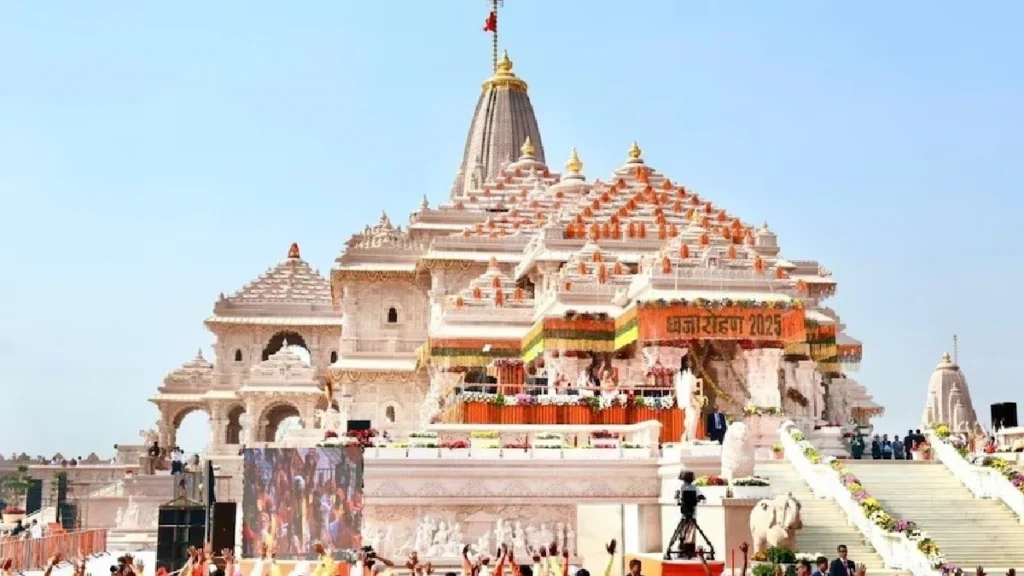
The Shri Ram Janmabhoomi Teerth Kshetra Trust, which looks after the grand Ram Mandir in Ayodhya, just pulled back the curtain on its finances in a big way. After weeks of whispers, allegations, and a whole lot of noise about missing donations, they’ve shared some clear numbers and explanations.
Construction wrapped up, the Pran Pratishtha happened, and now it’s standing tall as a symbol of faith for so many. But behind the scenes, managing crores of rupees in donations isn’t simple. There were stories floating around – some about cash vanishing during counting, others about silver bricks or gold items that donors couldn’t trace. It got serious enough that the trust itself asked for a Special Investigation Team (SIT) from the Uttar Pradesh government to look into it. Eight people got arrested, and key figures like general secretary Champat Rai and trustee Anil Mishra stepped down on moral grounds. That shook things up.
So, what did the trust actually say in their latest update after that high-level meeting in Ayodhya? They put out details straight from their records. Since the trust was formed in 2020, they’ve received a total of Rs 3,264 crore through campaigns like Nidhi Samarpan Abhiyan and other corpus donations. Out of that, a whopping Rs 2,370 crore went directly into temple construction and capital expenses – think materials, labor, the whole massive build. Another Rs 391 crore from devotees’ daily offerings covered running costs like operations and maintenance up to March 31, 2026. The rest? It’s still sitting safely in bank accounts, earning interest for the temple’s future needs.
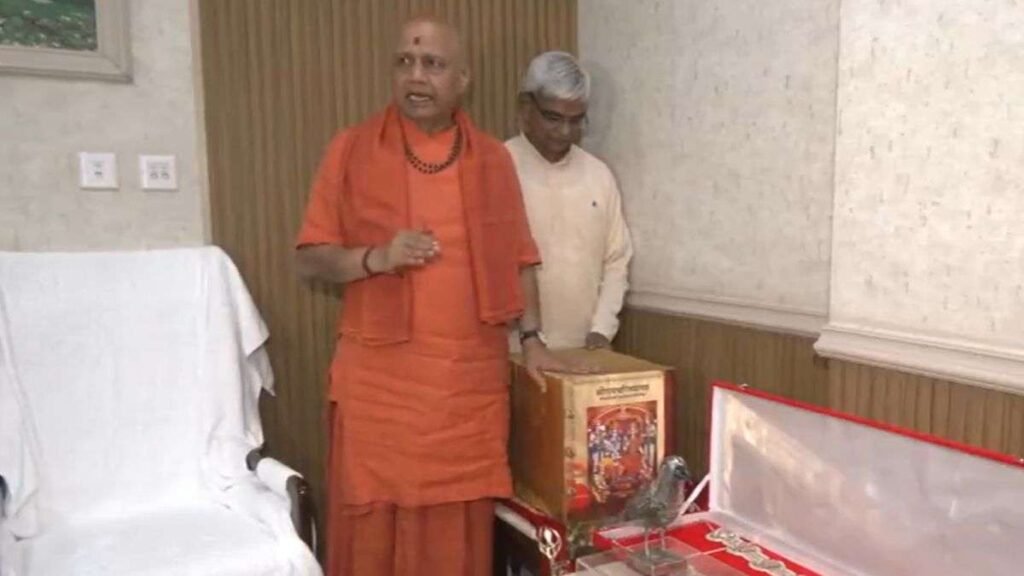
Now, about those silver donations that had everyone talking. You know how devotees, full of devotion, sent silver articles, bricks, lamps, and more? The trust confirmed they’ve melted many of these into bars at the Government Mint. They say this was practical – for storage, security, and eventual use. Importantly, they have detailed records: photographs, weight logs, purity certificates from the Mint, and entries in registers for every single item. Over 2,900 gifts in kind have been logged with donor details and dates. And here’s a reassuring bit – an independent chartered accountant does annual physical checks. If you’re a donor wondering about your contribution, you can actually make an appointment, head to Ayodhya, and see the records yourself. That’s pretty open, right?
I get why this matters so much to people. For years, ordinary folks – from big communities like the Sindhi groups who gave hundreds of kilos of silver to everyday bhakts dropping coins or notes – gave what they could with pure faith. When rumors of embezzlement hit (estimates ranged from a few crores in cash siphoned daily during peak times to questions over specific silver batches), it hurt. The SIT probe looked into counting processes, CCTV gaps, staff recruitment, and jewellery handling. Recoveries included cash, some foreign currency, and valuables from the accused. But the trust is clear: no rushing to judgment until the full investigation wraps up (extended to mid-July). They want evidence-based action, not speculation that could tarnish the temple’s name.
This whole episode isn’t just about numbers. It’s about trust – the faith that binds millions to this place. The trust has taken steps forward: accepting those resignations, removing a special invitee, and setting up a three-member committee to pick a new CEO for better administration. Trustee Krishna Mohan is acting as general secretary for now. Treasurer Govind Giri and others emphasized strengthening systems based on SIT recommendations and expert advice. No more loose ends; they aim for top-notch transparency so future donations flow without doubt.
Let’s be real – managing something this huge was always going to have teething issues. Early audits years ago had flagged needs for better SOPs, record-keeping, and professional layers. Hindsight shows those warnings were worth heeding. But the response now feels proactive. The trust isn’t shying away; they’re inviting scrutiny from devotees and urging critics to hand over proof to investigators instead of fuelling confusion. Devotee footfall, they note, hasn’t dropped despite the headlines – a quiet testament to the temple’s pull.
For those who’ve given selflessly, this update brings some peace. Your silver isn’t lost in some black hole; it’s accounted for, transformed, and serving the larger purpose. Cash is tracked, expenses detailed, and leftovers secured. Of course, the SIT’s final word will carry weight, and any guilty parties deserve full accountability – the trust agrees on that.
In the end, Ram Mandir isn’t just bricks and mortar. It’s a living symbol built on collective shraddha. Moments like this test that foundation, but also strengthen it through openness. As one devotee might say to another, “Bhai, Ram knows the heart behind every daan.” The trust seems committed to honoring that. Keep the faith, stay informed, and if you’ve contributed, maybe plan that visit to see it all firsthand. The temple stands, brighter for the journey.
Sources:
- Times of India (July 6, 2026 article on trust’s financial disclosure)
- Reports from Hindustan Times, Indian Express, and Wikipedia summaries on trust history and probe
- Official statements referenced in multiple outlets on SIT and resignations.
@Rohit Manral