
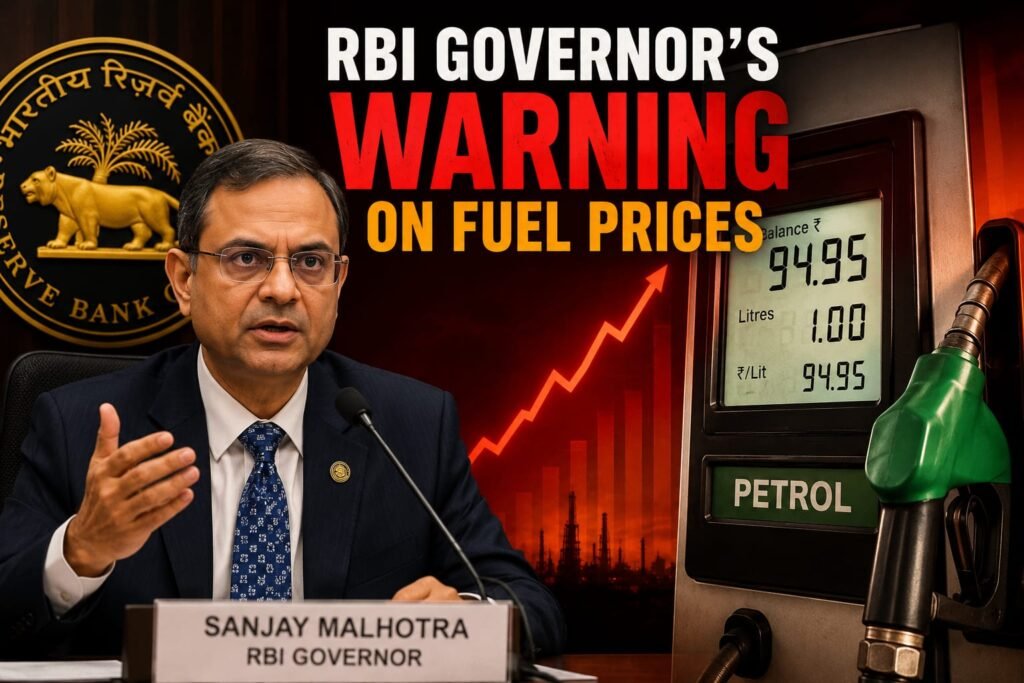
We all know how it feels when you pull up to the petrol pump these days. That little screen showing the amount and your heart sinking a bit as you hand over the cash or watch the UPI notification. And now, RBI Governor Sanjay Malhotra has come out and said it plainly – if this trouble in the Middle East keeps going on, then petrol and diesel prices in India are probably going to rise. It’s not “if” anymore in his words, it’s more like “when” if things don’t cool down.
He said this calmly at a conference in Switzerland, the kind where central bankers and IMF folks gather. “If this continues for a longer period of time, it is just a matter of time before the government will pass on some of the price increases,” he told them. No drama, just facts. This hits home.
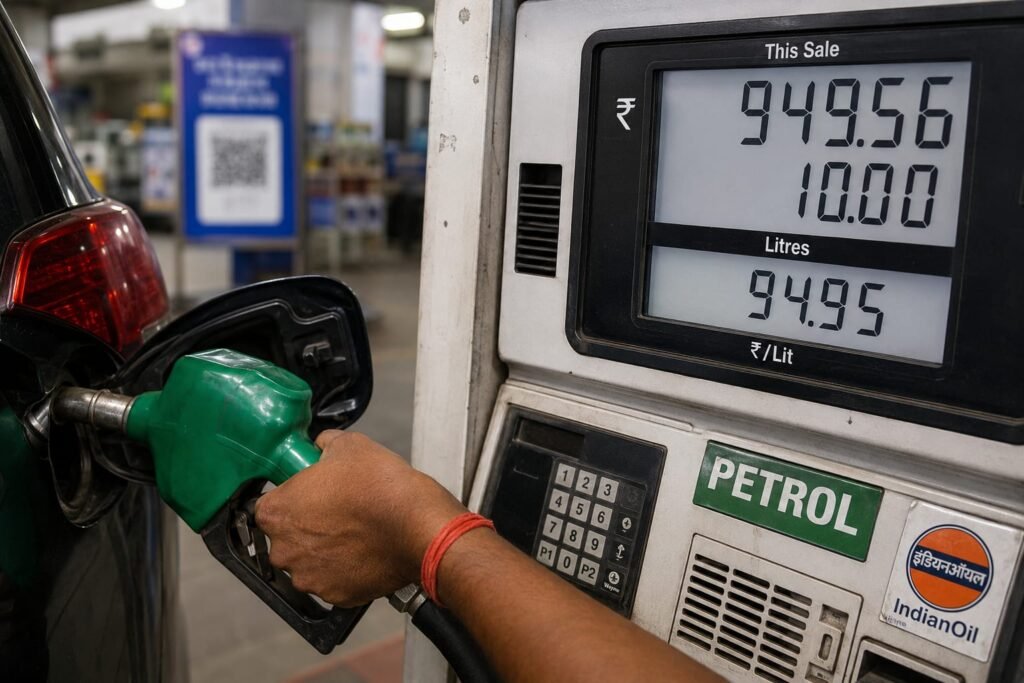
Right now, as petrol in Delhi is still around ₹94-95 per litre and diesel near ₹87-88. It hasn’t moved much for a long time because the government and oil companies have been holding the line – cutting duties earlier and absorbing a lot of the higher costs themselves. But how long can they keep doing that? Reports say the oil marketing companies like Indian Oil, BPCL, and HPCL are losing something like ₹1,000 crore every single day. That’s not sustainable. Losses add up fast.
Why This Matters So Much to Us Normal People
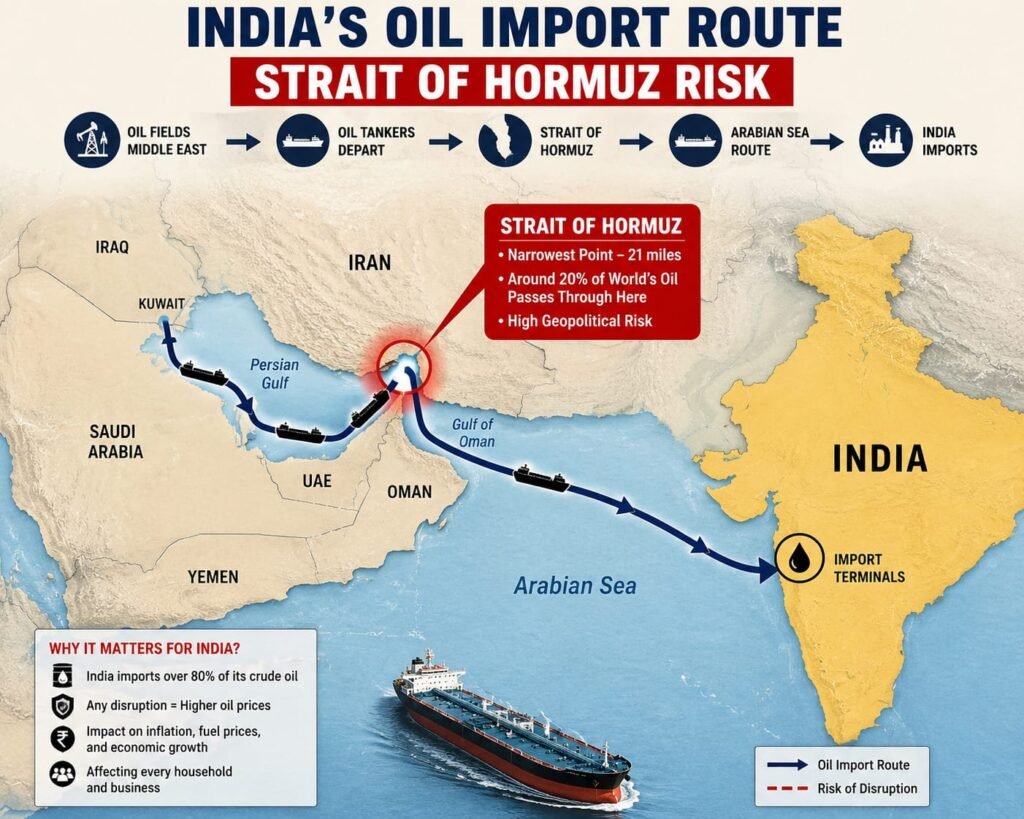
Think about it. We import almost 85% of our crude oil. A huge part still comes through that troubled area in the Middle East, even with more coming from Russia these days. When tensions flare up – ships avoiding routes, Strait of Hormuz worries, all that – global prices shoot up. Crude has been hovering high, crossing $100-115 levels at times. The companies buy at high rates but sell to us at lower ones to keep things stable. Eventually, someone has to bear it.
Higher fuel prices don’t stop at the pump. The truck that brings vegetables to your local market? Diesel. The cab you take to office? Petrol. Even the price of that atta packet or milk can creep up because transport costs more. Farmers need diesel for tractors and pumps. Factories see input costs rise. It slowly spreads everywhere, and suddenly your monthly budget feels tighter.
Remember the old days when fuel price hikes would make front-page news and spark protests. That’s why governments are careful. No one wants to upset voters. But Governor Malhotra is basically saying the cushion we have right now won’t last forever if the crisis drags on.
The Human Reality Behind the Numbers
If you’re a salaried person in Delhi, already paying high rent, school fees, and EMIs, another ₹5-10 jump per litre will pinch. For the daily wage worker or autorickshaw wala, it can mean choosing between filling fuel or putting food on the table that evening. Families might cut back on weekend outings or extra groceries. Small businesses will think twice before expanding or even maintaining staff.
What About Inflation?
And it’s not just about money today. Inflation from fuel can make everything costlier, and the RBI has to watch that closely. Malhotra mentioned they can handle short-term shocks but will step in if it becomes persistent. That’s their job – keep prices stable so our savings don’t lose value too fast.
On the brighter side, India has been smartly diversifying. More oil from Russia, building reserves, pushing for domestic production, and moving towards renewables and EVs in the long run. We have stocks for some weeks. But in the short term, if ships keep facing issues or prices stay sky-high, something has to give.
What Might Happen Next?
Nobody knows exactly when or by how much. It depends on how long the Middle East situation lasts. If things calm down and crude comes back to normal, we might escape with little damage. But if it continues, gradual hikes are likely – maybe not all at once, because politics also plays a role. Governments usually prefer small steps or other measures first.
What Can We Do?
In the meantime, calls for saving fuel – carpooling, using public transport, buying efficient vehicles. PM Modi has even talked about voluntary austerity, like postponing big gold buys or reducing unnecessary travel. But don’t panic. We’ve been through oil shocks before – in 2008, during COVID, Ukraine war. India is stronger now with better reserves and a bigger economy.
Something halfway across the world affects our daily life. But that’s how the world is connected today. Governor Malhotra’s words are not to scare us but to prepare us. He’s signaling that policymakers are watching and thinking ahead.
The Long-Term Picture
The rich can adjust, but the middle class and below really struggle. That’s why I hope diplomacy works fast and supplies stabilize. In the long run, we need to reduce this import dependence badly – more solar, more EVs, better public buses and metros everywhere, not just big cities. Hold the government accountable for long-term planning, but also do our bit by not wasting fuel.
Sources:
LiveMint, Economic Times, Bloomberg, ABP Live, Reuters, Tribune India, and other reports from May 13, 2026, covering RBI Governor Sanjay Malhotra’s remarks in Switzerland. Plus updates on current Delhi prices and oil company losses from DNA India, Times of India, and government-related statements.