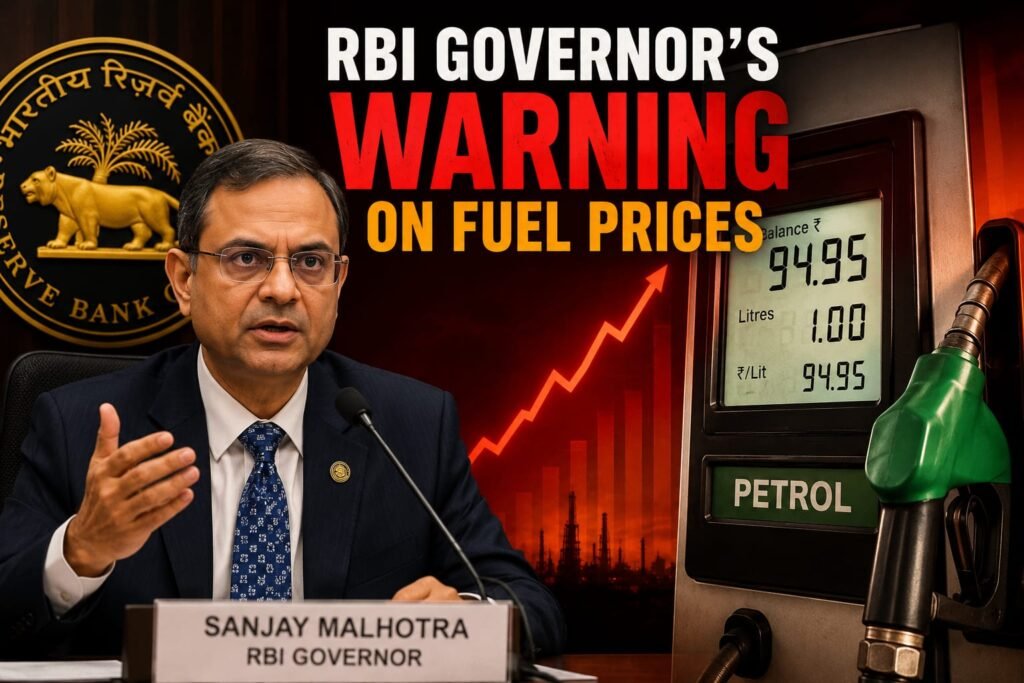

This past weekend, right in the heart of Delhi at Jantar Mantar, people took to the streets for what seems to be the very first big on-ground protest against E20 petrol—the fuel with 20% ethanol blended into it. They weren’t there for fun or politics in the usual sense. They were frustrated drivers, mechanics, and everyday folks saying enough is enough because their cars are guzzling more fuel, stalling out, and racking up repair bills they never expected.
Least followed the reports closely), and the stories hit home. One guy told reporters his car, which used to comfortably give him around 12-14 km per litre in the city, was now struggling to cross 10. Another mentioned pulling up to the pump, filling the tank, and watching the needle drop faster than usual on the very next trip. It’s not just a minor annoyance—it adds up when petrol prices are already high and you’re commuting daily for work or family.
What’s E20 and Why the Sudden Push?
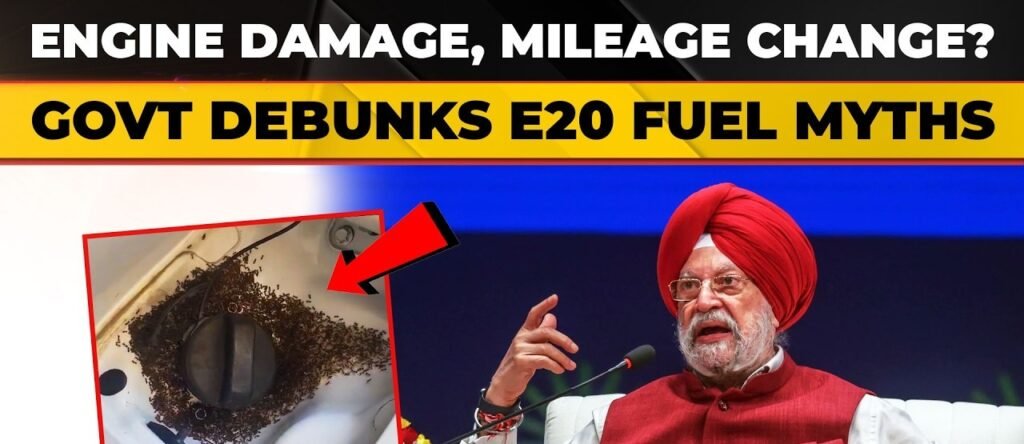
For those who haven’t been following, the government has been rolling out ethanol blending to reduce our dependence on imported crude oil, help farmers who grow the sugarcane or whatever goes into ethanol, and supposedly make things a bit greener with lower emissions. E20 went nationwide recently, and while newer cars made after 2023 are supposed to handle it fine, millions of older vehicles on our roads aren’t fully compatible. That’s where the trouble starts, according to the protesters.
Ethanol is great at some things—like improving acceleration and reducing knocking in the engine. But it also has less energy per litre than pure petrol. So, yeah, mileage drops are expected to some extent. The Petroleum Minister, Hardeep Singh Puri, even acknowledged it might drop a little, though he pointed out benefits like better performance in other areas. Still, people on the ground are saying it’s more than “a little.” Reports mention drops of 5-12% or even higher in some cases, especially in older models.
And it’s not just mileage. Motorists are complaining about choked fuel systems—clogged filters, corroded parts, rubber seals and plastic components swelling or degrading because ethanol loves water and can be more corrosive. Videos have been circulating for months: cars stalling in traffic, fuel injectors getting jammed, sudden power loss. One protester showed mechanics’ bills running into thousands for cleaning or replacing fuel system parts that shouldn’t have failed so soon.
Voices from the Protest
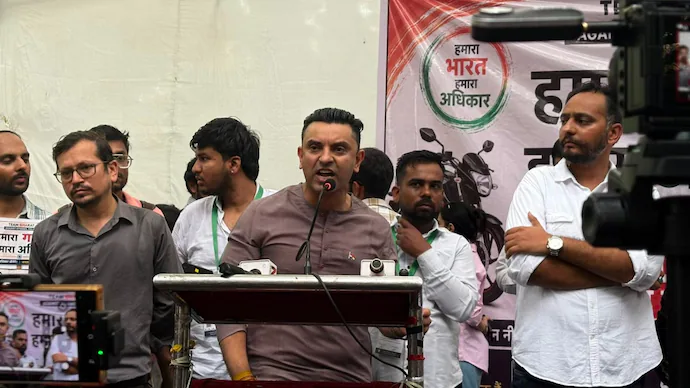
At Jantar Mantar, the slogan was something like “Hamara Gaadi, Hamara Adhikar” — Our Vehicles, Our Rights. Organized with involvement from folks like Tehseen Poonawalla and Team Bharat, it brought together people who felt they had no choice. No option to buy regular E10 or pure petrol at most pumps anymore. They want the government to make different blends available side by side so consumers can pick what works for their car.
Imagine saving up for years to buy a car, maintaining it carefully, and then suddenly the fuel you’re forced to use starts messing with it. One driver read about said his fuel pump started acting up after a few tanks of E20. Another mentioned rust-like issues in the tank. Mechanics are seeing more frequent visits for filter changes and cleaning. A survey by LocalCircles apparently found a big chunk of older vehicle owners reporting problems.
Of course, it’s not all one-sided. Automakers like Maruti Suzuki have explained that the lower calorific value of ethanol naturally leads to some mileage reduction, maybe 2-6% in compatible vehicles. The government points to big savings on oil imports—thousands of crores—and support for farmers. They say extensive testing was done, and issues are being overstated or due to poor quality fuel in some cases. But when you’re the one paying extra at the pump and the workshop, those big-picture benefits feel distant.
The Bigger Picture
This protest marks a shift. For months, complaints were mostly online—X (Twitter), Instagram, Reddit threads full of “mileage dropped drastically” posts. Now it’s out on the streets. People are demanding transparency, choice, and maybe kits or retrofits for older cars to make them E20-ready without breaking the bank. Some even call it an “experiment” gone wrong, though the Centre has pushed back on that.
India’s roads have a huge mix of vehicles—old Marutis, Hyundais, bikes, you name it. Not everyone can rush out and buy a new E20-compatible car. With plans to go even higher, like towards E25 or more, the concerns are only growing. Protesters want safety for vehicles that aren’t ready, separate pumps for different blends, and clearer data on long-term effects.
Look, ethanol blending makes sense on paper for energy security and environment. Brazil has been running higher blends for years. But implementation matters. If people feel their daily life is getting costlier and their vehicles are suffering, trust erodes fast. The government has been defending the policy, consulting stakeholders, and saying minor drops are normal. But hearing real drivers talk about stalled engines on highways or surprise repair bills—that’s hard to ignore.
As this unfolds, it’ll be interesting to see how it plays out. Will more protests follow? Will pumps start offering choices? Or will the policy roll on with tweaks? For now, at Jantar Mantar, ordinary motorists made their voices heard loud and clear: they just want to drive without worrying if the fuel in their tank is quietly choking their engine.
Sources:
- India Today reports on the Jantar Mantar protest and ground stories.
- Reuters coverage on public backlash and government response.
- Statements from Petroleum Minister Hardeep Singh Puri and industry experts.
- LocalCircles survey insights and automaker explanations (Maruti Suzuki, etc.).
- The Week, Indian Express, and other media on E20 concerns and mileage impacts.
@Rohit Manral