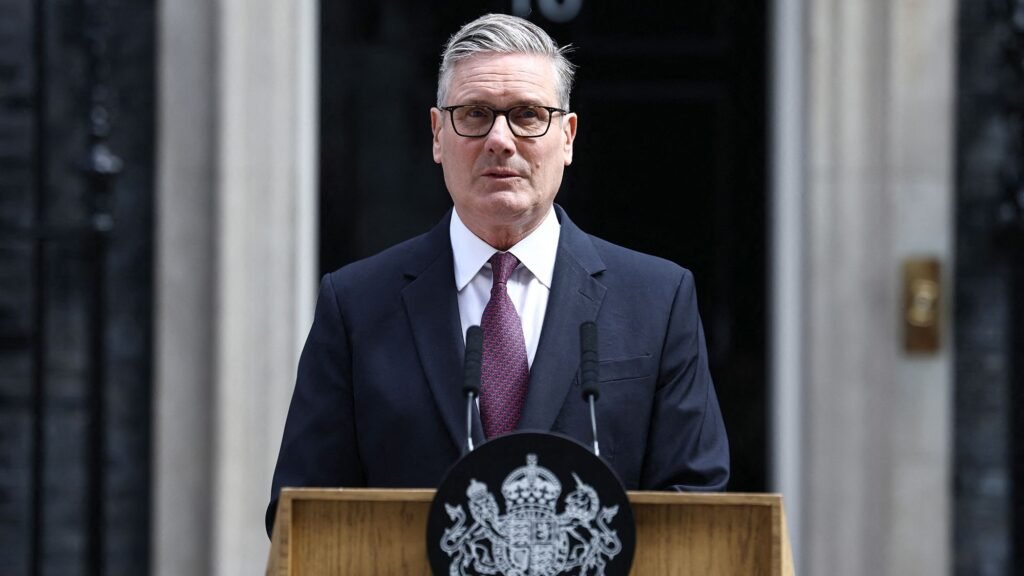
On June 22, 2026, Starmer announced his resignation as Prime Minister and Labour leader amid mounting pressure from his own party. Poor local election results, slipping polls, and a sense that the government had lost its way left him with little choice. He’ll stick around as caretaker until a new leader is in place, probably by early September.
It’s a whirlwind. Britain could be on its seventh PM in a decade. The big question on everyone’s lips: who’s next? Right now, the race points heavily toward one man who’s emerged as the clear favourite – and a few others who might still throw their hats in.
Andy Burnham: The King of the North, Frontrunner Extraordinaire
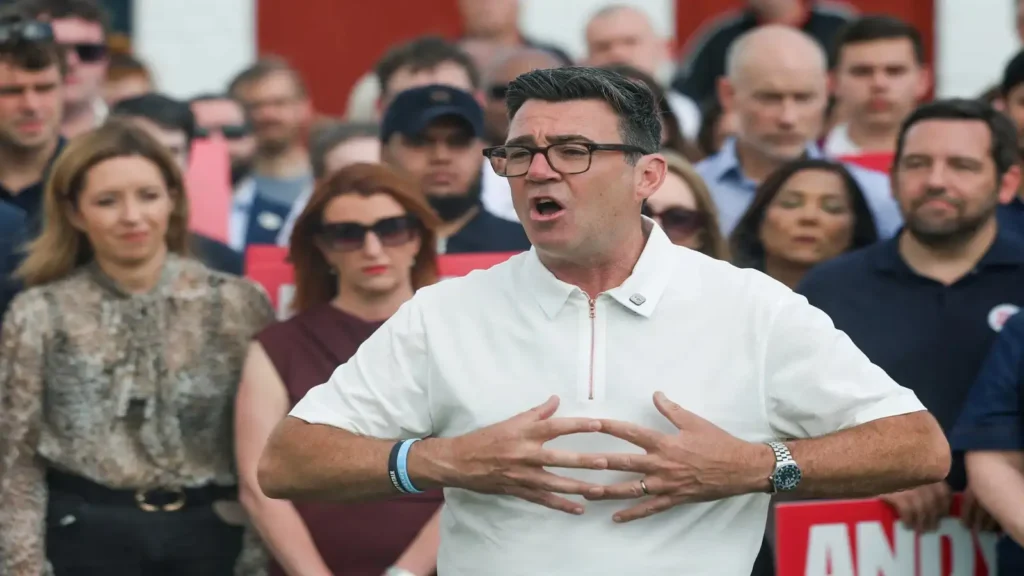
The former Mayor of Greater Manchester just won a by-election in Makerfield with a solid 55% of the vote, beating Reform UK handily. He’s now sworn in as an MP, which was the missing piece – you need to be in Parliament to lead the party and become PM.
Burnham’s got that rare mix: he’s popular with Labour members, voters in the North, and even some folks outside the bubble. Polls showed him crushing it among party members as their top choice. He’s seen as authentic, someone who gets the “red wall” and working people – the kind of politician who talks straight about levelling up, public services, and not forgetting the regions while London calls the shots.
His supporters love his track record running Greater Manchester – handling tough issues like transport, crime, and the pandemic response in a way that felt practical and human. After Starmer’s resignation, Burnham confirmed he’d stand, and big names like former Health Secretary Wes Streeting quickly backed him, calling for unity. Many see it as Burnham’s to lose. If he sails through without serious opposition, he could be PM by mid-July.
But here’s the thing: he’ll inherit a tough inbox. Sluggish growth, public finances under strain, tricky international stuff, and a restless party. Can the “King of the North” steady the ship and win back voters before the next general election? That’s the test.
Wes Streeting: The Ambitious Centrist Who Stepped Back
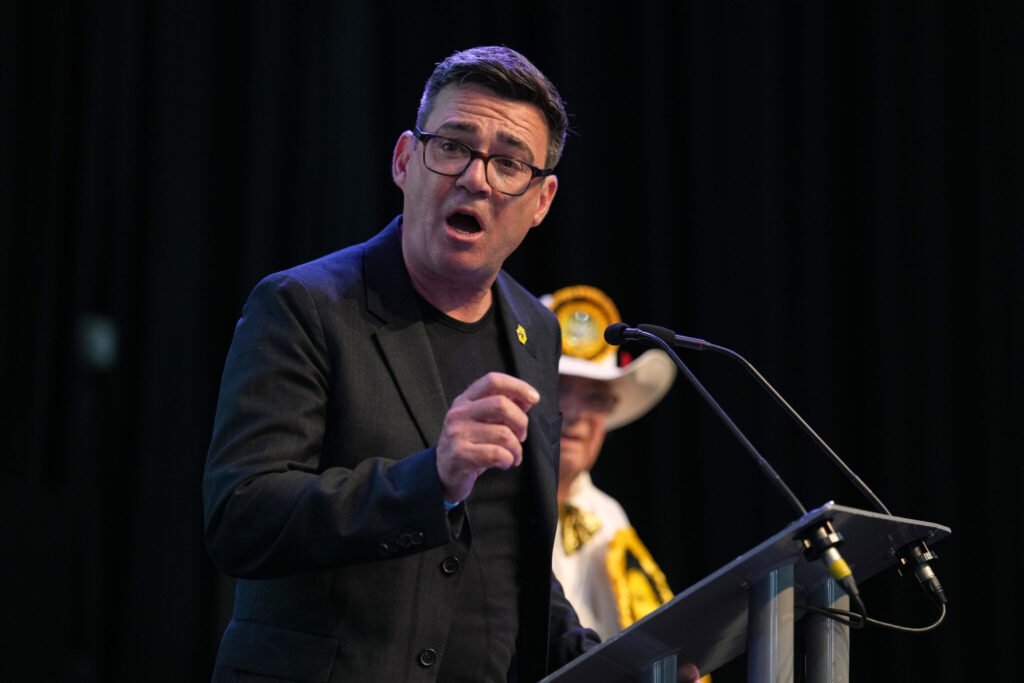
Wes Streeting was long seen as a rising star and potential challenger. As Health Secretary, he was combative, media-savvy, and pushed reforms in the NHS. He’s got that centre-right energy in the party – polished, policy-focused, and hungry for the top job.
He resigned earlier and criticised Starmer’s direction, which fuelled leadership chatter. But after Burnham’s momentum, Streeting chose to back him instead of running himself. Smart politics? Probably – it positions him well for a big role in a Burnham government. If things shift and a contest opens up, though, don’t count him out entirely. He’s got the ambition and the profile.
Angela Rayner: The Grassroots Fighter
Former Deputy PM, she’s got deep roots in the party, strong union ties, and appeals to the left and working-class base. She’s straightforward, fiery, and unapologetic – qualities that energise the grassroots.
Rayner has been mentioned as a possible successor for ages. She’s popular with members, but her appeal with the wider public is more mixed. Recent issues around her personal affairs were cleared up, which helps. In a full contest, she could represent the “soft left” alternative to Burnham’s broader appeal. Whether she’d challenge the frontrunner head-on is unclear, but her influence is huge either way.
Other Names in the Mix
It’s not just these three. Shabana Mahmood gets nods for her steady presence. Ed Miliband, the former leader now in Energy, still has fans on the left who might fancy a comeback. David Lammy, Al Carns, and others like Yvette Cooper have been floated in speculation. But right now, the momentum is with Burnham, and many in the party seem keen to avoid a messy, drawn-out fight that could further damage Labour’s standing.
To trigger or run in a formal contest, candidates need backing from at least 81 Labour MPs. Burnham looks set to clear that easily. Nominations open around July 9, with the process wrapping before Parliament’s summer break. If he’s the only serious candidate, it could be quick and clean.
Why This Matters Beyond Westminster
This isn’t just insider gossip. Labour’s in power but feeling the heat from Reform UK on one side and voter fatigue on the other. Whoever takes over has to deliver on the basics – fixing the NHS, easing cost-of-living pressures, sorting immigration and growth – while keeping the party together. A smooth transition to Burnham could stabilise things. A contested race might expose divisions but also refresh ideas.
Starmer came in promising stability and “mission-driven” government. He delivered a huge win but struggled with the grind of power – tough choices, scandals, and a sense of disconnection. The party wants someone who can reconnect and win again in 2029. Burnham’s northern roots and proven local leadership give him a story that resonates in places Labour can’t afford to lose.
What Happens Next?
Will it be Burnham walking into No. 10 with broad support? Or will others force a real fight? Keep an eye on those MP nominations and member votes – that’s where it gets decided. In the end, it’s about who can actually govern a weary country and make people feel heard again. Exciting times, or stressful ones, depending on your view. But change is here.
Sources:
The New York Times
BBC
The Economist
Al Jazeera
Wikipedia (2026 Labour leadership crisis page)
CNN
Washington Post
Various polling/survey sources