

The whole IIT-to-Ivy League hustle – then this latest news from there is something we all need to chat about properly. The Americans are changing the game on student visas big time. They’re basically putting a timer on how long foreign students can stick around, capping it at around four years. No more of that easy, “stay as long as your course needs” vibe. And trust me, Indians are going to feel this one the most. Let me break it down like we’re sitting over chai and discussing family plans.

For years and years, the US had this “Duration of Status” thing – D/S for short. As long as you were properly enrolled in your college, attending classes, and not messing around, you could stay the full length of your program. Two-year master’s? Fine. Five, six, or even seven-year PhD with all the research and thesis drama? Also fine. It gave breathing room for real academic work, especially in tough fields like engineering, medicine research, or sciences where things don’t always finish on schedule. No constant stress about visas expiring midway. It felt fair and practical.
But now, the White House has cleared this new rule from the Department of Homeland Security. It happened just last month, around mid-June 2026. They’re replacing that flexible system with a fixed stay – mostly four years max for most students on F-1 or J-1 visas. After that, if your program isn’t done, you have to apply separately to USCIS for an extension. That means filling forms, paying extra fees (around 400-500 dollars, which is like 35-40k rupees), giving biometrics, and then waiting – with no sure-shot approval. Grace period after finishing studies? Dropping from 60 days to 30. Changes in major or transfers? Getting stricter too, especially early on.
Why does this matter so much to us? Simple – we send the biggest bunch of students there. Over 3.3 to 3.6 lakh Indians right now, almost one-third of all international students in the US. A lot of our boys and girls go for deep research programs, PhDs, or specialized courses that easily cross four years. Undergrad might scrape through okay, but for the serious researchers? This adds a whole new layer of tension. Imagine you’re in year five, buried in lab work or writing your thesis, and suddenly your stay is up. One delay in paperwork and you’re scrambling.
One guy from Delhi preparing for PhD said it feels like the dream just got more complicated. “We already deal with high costs, homesickness, and tough competition. Now extra uncertainty?” Parents are worried too – the money spent, the loans, and then this risk of disruption. Experts like those from Leverage Edu point out that while short programs are safe, longer ones will see the real pain. Some say Fall 2026 might not drop much, but future intakes could see students thinking twice or looking at other countries.
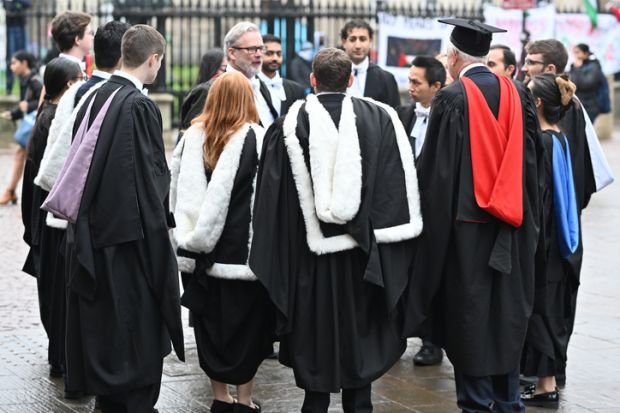
Look, the US side says this is about better tracking and stopping any misuse – making sure people don’t stay forever as “eternal students.” Fair point in their view, especially with bigger immigration talks happening. But for us, it’s a reminder that things aren’t as straightforward as before. Indian students have always been rockstars there – contributing to research, paying full fees, boosting the economy. Now it might push more to plan tighter, finish faster, or explore places like Germany, UK, Australia, or even home options that are improving fast.
Practical talk: If you’re applying now, check the exact dates once the rule publishes in the Federal Register. Talk to your university’s international student office early. Build buffers in your timeline. Save for possible extension fees. And have a Plan B. Many are already adjusting – focusing on programs that fit better or lining up strong recommendations.
At the end of the day, this isn’t the end of the world. The US still has amazing universities, cutting-edge stuff, and opportunities that can change lives. Our community is smart and adaptable – we’ve handled tougher shifts. But yeah, it does make you pause and think. Education abroad is a big investment, emotional and financial. Families need to discuss openly now.
Sources:
Firstpost, Economic Times, Moneycontrol, India Today, Financial Express, Open Doors reports, NAFSA updates, Bloomberg Law mentions (June-July 2026 coverage).
@Rohit Manral