Prime Minister Narendra Modi is back in the spotlight, not for some big policy win or ambassadorial quantum leap, but for how he handles the press—or rather, doesn’t. An Australian journalist just dropped a line that’s got everyone talking again, and it comes right on the heels of a similar stir in Norway.
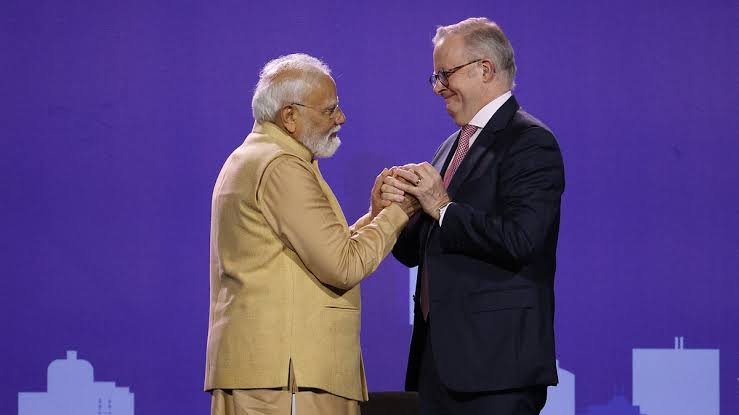
Modi’s on a visit to Melbourne, Australia. He’s there for important talks—trade, defense, the usual heavy stuff between two vibrant democracies. But instead of a freewheeling press conference where reporters could fire off questions, things stay pretty controlled. Enter Blake Johnson from 7News, an Aussie TV reporter. As cameras rolled on Modi at a public event, Johnson narrates something like, “This is about as close as you would get to Narendra Modi on his trip to Melbourne. He famously avoids unscripted news conferences, preferring instead more stage-managed appearances.” Boom—clip goes viral. Indians on social media are sharing it left and right, some nodding along, others pushing back hard.
For over a decade now—since Modi took office in 2014—he hasn’t held a single solo press conference in India. Not one. A couple of times in Washington years back, but that’s about it. Supporters say he’s accountable through Parliament, his Mann Ki Baat radio addresses, and massive rallies where he connects directly with millions. Why bother with tricky questions from journalists who might have an agenda? They argue the media landscape has changed, with 24/7 noise and partisan takes everywhere. Modi himself has hinted at that in the past, calling out what he sees as biased reporting.
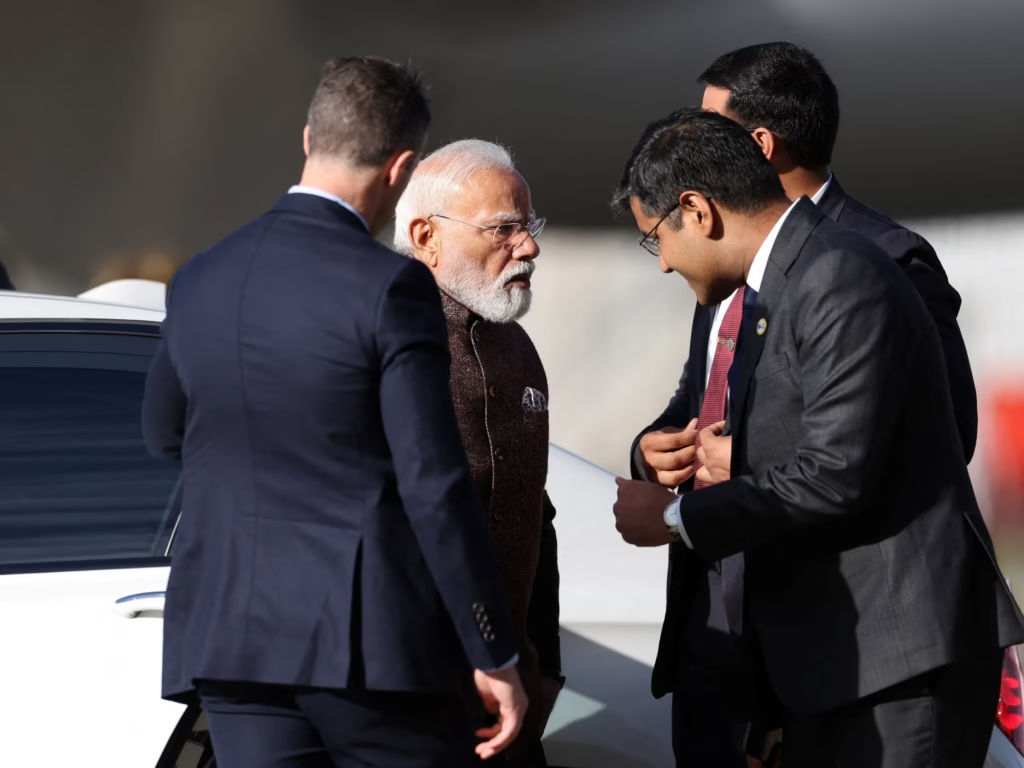
In a democracy as loud and diverse as India’s, the PM should face the music sometimes, right? Especially on tough issues like press freedom rankings (India has slipped in global indexes), human rights chatter, or policy hiccups. The Australia remark lit the fuse again because it echoed what happened just weeks earlier in Norway.
Flashback to Oslo. Modi was there with Norwegian PM Jonas Gahr Støre for a joint statement. They wrap up, and as they’re stepping away, Norwegian journalist Helle Lyng Svendsen from Dagsavisen calls out: “Prime Minister Modi, why don’t you take some questions from the freest press in the world?” Modi doesn’t miss a beat—he just walks off without a word. Støre even came back later to chat with reporters. The moment exploded online. Some even trolled the journalist heavily, which led to her accounts getting suspended on Meta platforms for a bit. Messy all around.
Now, why does this keep happening? It’s not like Modi shuns the media entirely. He’s active on X (formerly Twitter), does big speeches, and engages through controlled formats like summits or one-on-ones. His team argues that in today’s world, traditional pressers can turn into gotcha moments or platforms for grandstanding rather than real dialogue. Plus, with huge public outreach programs, he’s reaching people directly without intermediaries. Fans love that raw connect—think of those stadium-sized events where the energy is electric.
Norway ranks high on press freedom lists, so the journalist’s jab landed with extra sting. Australia, another open society, highlighting the same thing?
Opposition leaders like those from Congress or AAP have hammered him on it repeatedly, calling it undemocratic. Supporters counter that other world leaders do selective media too—look at how some handle hostile environments. But in India’s noisy, argumentative democracy, the expectation feels higher.
What strikes me is how these incidents go viral so fast. One offhand comment or unanswered question, and suddenly it’s a referendum on Modi’s entire style. Social media amplifies everything: clips get edited, contexts blurred, and tribes form instantly. Pro-Modi voices call it selective outrage—why not grill other leaders the same way? Critics see it as proof of vulnerability on transparency.
At the end of the day, Narendra Modi’s take aside is consistent. He’s built a brand around decisive action, big vision (Viksit Bharat, anyone?), and direct people-to-people communication. Whether that’s enough in a modern democracy where inspection is constant is the real question. The Aussie journo’s witticism and the Norway episode aren’t isolated; they’re symptoms of a larger conversation about how power interacts with the Fourth Estate.
Strong leadership doesn’t mean evading tough questions—it might mean cladding them head-on to build even more trust. Or maybe the old press conference format is outmoded, and we need fresher ways to hold leaders explicable.
Sources:
- Hindustan Times coverage on the Australian remark and context.
- Reports on the Norway incident from BBC, Al Jazeera, and others.
- Social media clips and viral discussions from Instagram/Facebook shares by journalists and parties.
- Broader analysis from The Wire, Reuters historical notes, and recent updates.
@Rohit Manral