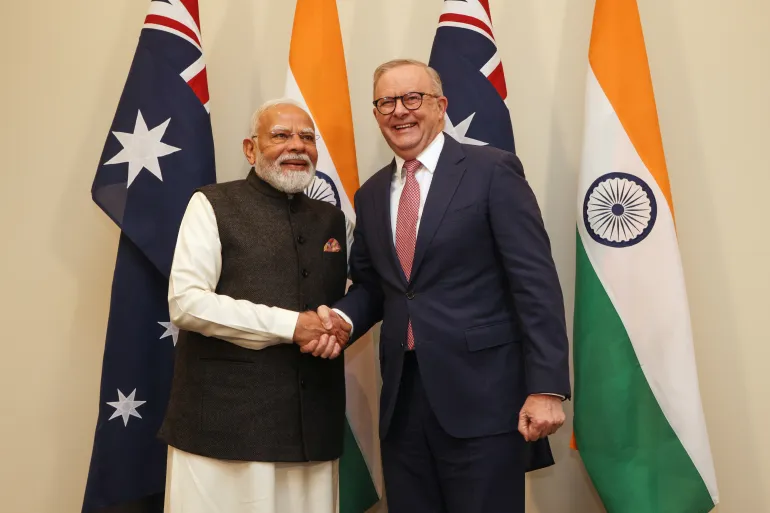
PM Modi in Australia it feels like one of those moments where two countries that actually get along just decided to take things to the next level. No big drama, no empty promises—just real, practical steps forward on nuclear energy and defence.
Modi wrapped up the key part of his visit in Melbourne with Australian PM Anthony Albanese. They sat down, talked things through, and came out with some landmark agreements. The one that really stands out is the nuclear energy pact. Australia is going to start supplying uranium to India for our peaceful nuclear power plants. This has been in the works for a long time—since that 2014 civil nuclear deal—but now it’s finally moving into actual commercial supply. For us in India, this is pretty exciting because we’re pushing hard to grow our clean energy mix. Nuclear power is reliable, low-carbon, and exactly what we need as our economy keeps expanding. Hitting that 100 GW target by 2047 just got a bit more doable.
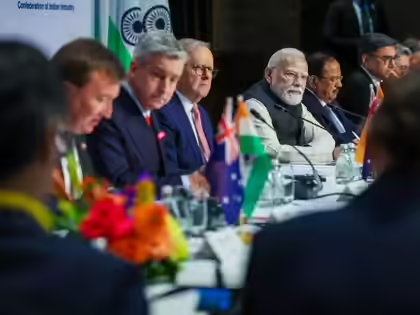
From Australia’s side, they’ve got plenty of uranium and a trusted partner in India. Both leaders made it clear this is strictly for peaceful energy use, with all the right checks and balances.
Both nations are big players in the Indo-Pacific, and they share a worry about keeping the region stable and open. Being part of the Quad already gives them a platform, and this just builds on that naturally. It’s about being prepared together, respecting international rules, and making sure trade routes stay safe. You can feel the mutual respect in how they talked about it.
The Indian community in Australia is massive now—more than a million people with Indian roots. Thousands showed up at a big event in Marvel Stadium to welcome Modi. It was lively, full of energy, and showed how these ties go way beyond government meetings. There were a couple of small protests, sure, but that’s normal with any high-profile visit. The overall vibe was warm and positive.
Economically, things are humming along too. Trade is already growing nicely thanks to the earlier agreement, and now they’re accelerating talks for an even broader deal. Critical minerals, green hydrogen, supply chains—these are the areas where both sides see huge potential. An Australian investment fund also announced a big chunk of money going into Indian infrastructure. Modi invited Australian businesses to come and invest with confidence, and Albanese called India a top-tier partner.
Sitting back and thinking about it, this visit fits into a bigger picture. India is focusing on the east and building strong friendships across the region. Australia wants to diversify its partnerships in a smart way. Together, they’re showing how two democracies can work side by side for stability and prosperity. No one is trying to dominate; they’re just finding areas where helping each other makes everyone stronger. In today’s complicated world, that kind of approach is exactly what we need more of.
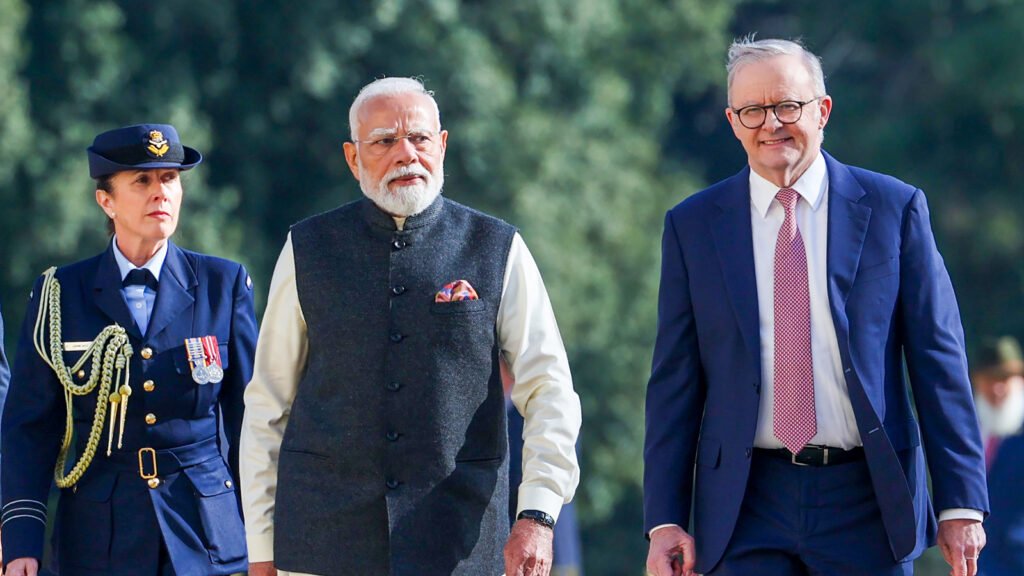
Of course, the real test will be in the implementation. Turning these pacts into actual projects, jobs, and energy on the grid—that takes time and effort from both sides. But the foundation looks strong. Defence exercises, industry collaborations, more trade—these things tend to grow once the top-level push is there.
Modi’s trip also included other stops, but the Australia part seems to have delivered the most concrete outcomes. It left me feeling optimistic. When big countries like these invest in each other’s futures—with clean energy, security, and economic links—it ripples out in good ways for ordinary people. Better energy access, more opportunities, safer neighbourhoods in a broader sense.
It’s the steady, thoughtful kind of diplomacy that actually lasts. Two countries talking honestly, finding common ground, and moving forward together. In a noisy world, that feels pretty pure and hopeful. What do you think—excited about where India-Australia ties are heading? I sure am.
Sources:
The Hindu, Reuters, PTI News, Moneycontrol, Sydney Morning Herald, and official updates from the visit in July 2026.
@Rohit Manral