Tamil Nadu’s Political Shockwave After Results Day
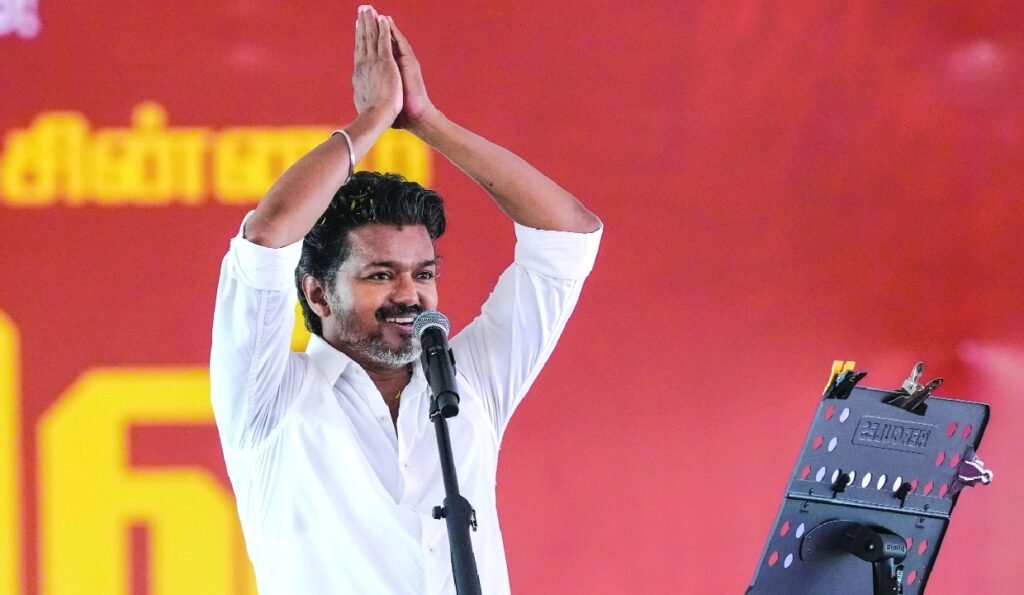
Tamil Nadu the moment the results came in on May 4. Vijay’s Tamilaga Vettri Kazhagam (TVK) had stormed in like a wave nobody saw coming—108 seats on its very first try. The Dravidian giants who had ruled the roost for decades? DMK down to 59, AIADMK even lower. Everyone was scrambling, phones ringing off the hooks, WhatsApp groups buzzing nonstop. But here’s the thing—not everyone in the Congress camp was caught off guard. A few sharp leaders in Tamil Nadu Congress had quietly sensed this “Vijay tsunami” building for months.
The story that unfolded is pure Tamil Nadu politics—full of ambition, old loyalties cracking, and fresh calculations. It’s not just about numbers; it’s about survival, ego, and that old itch for power.
The Quiet Sensing of the Wave
While most of us were watching the usual DMK-Congress alliance machinery chugging along, a handful of Congress leaders in the state were having private conversations. They saw the crowds at Vijay’s meetings, the way young people and even some traditional Congress voters were drawn to his “change” message. One senior Tamil Nadu Congress figure told me, almost whispering over the phone, “We knew DMK was in trouble. The anti-incumbency was real—corruption whispers, family dominance talk, and people tired of the same script. Vijay came across fresh, like a new hero on screen, but this time for real politics.”
They didn’t shout it from rooftops. Why would they? The alliance with DMK had been a comfortable one for over two decades. Congress got its few seats, some ministerial berths in the past, and stayed relevant in the state without doing the heavy lifting. But quietly, some started exploring. Reports suggest backchannel talks with TVK happened even before polling. TVK apparently offered Congress around 60 seats if they allied pre-poll, but Congress leadership weighed ideology and long-term ties.
In the end, they stuck with DMK for the elections. But the ground was shifting.
Election Night and the DMK Negotiations
TVK Falls Short Of Majority
Cut to results day. TVK at 108—close but not quite there for the magic 118 majority. DMK licking its wounds, Stalin and ministers defeated. Congress had won just a handful, around 5 seats. Suddenly, the math changed everything.
Congress Reconsiders Its Position
What followed was intense negotiation drama. DMK, naturally, reached out to its old partner. Sources close to the talks say DMK was pushing hard to retain Congress support, offering more seats or influence in a possible post-poll arrangement. But Congress leaders, especially in the state unit, were already smelling opportunity. The DMK ship was sinking, and hitching to Vijay’s rising star looked far more promising for revival.
One Congress leader described it to me like this: “DMK thought we had no choice. But after seeing the verdict, our state leaders felt this was the moment to break free. Why go down with them when we could be part of something new?”
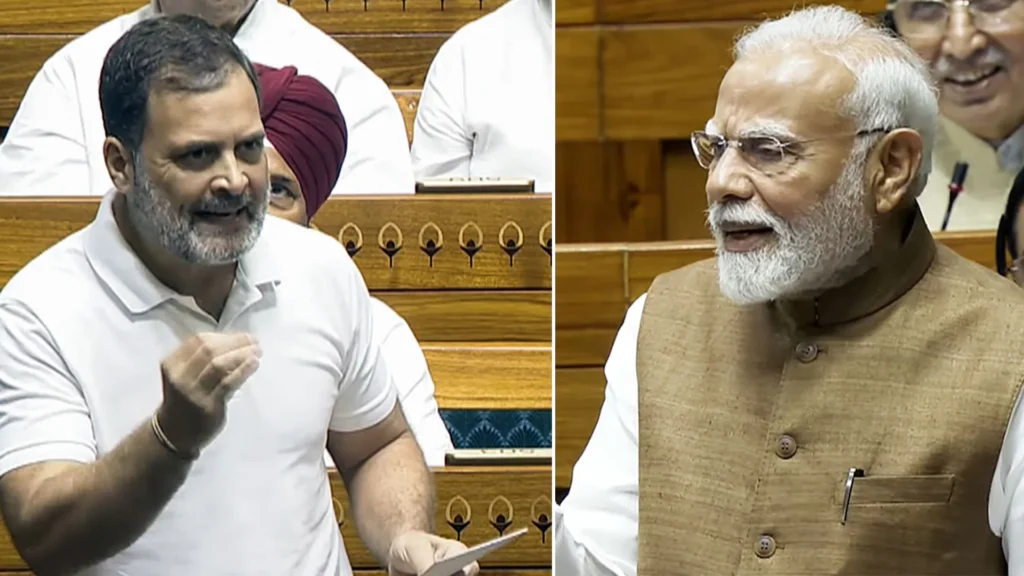
Rahul Gandhi and the central leadership got involved. There were meetings, calls. Congress made it clear—they wanted a real share in any new setup, not just scraps. And importantly, they put conditions: no communal forces in the alliance, sticking to constitutional values.
Vijay’s Team Steps In
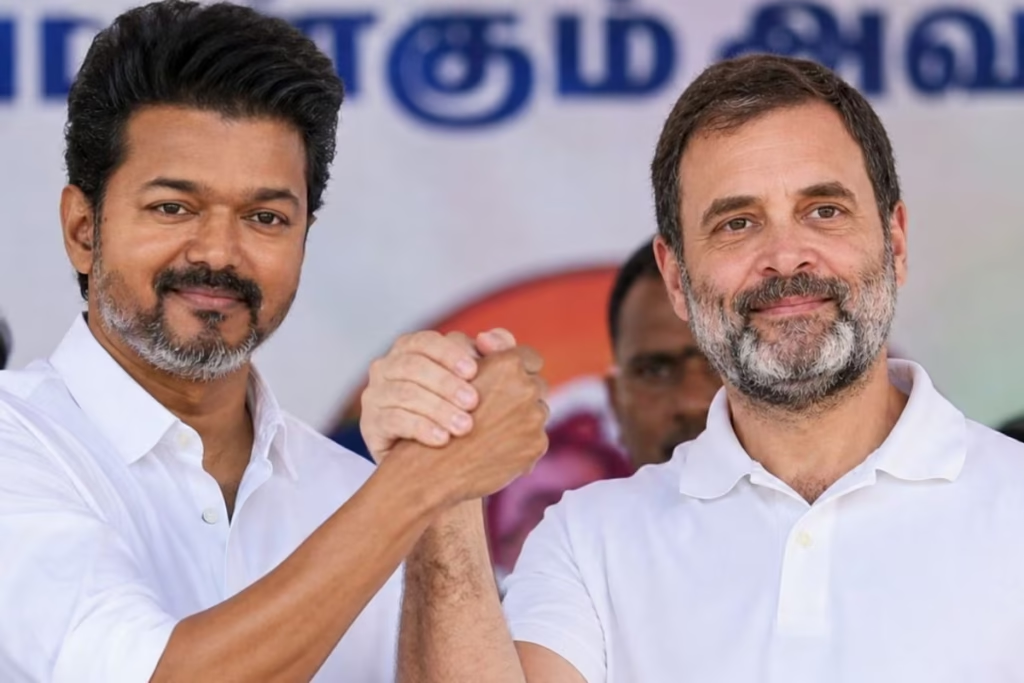
Meanwhile, Vijay’s team wasn’t sitting idle. They reached out. A call went out, meetings happened at TVK headquarters in Chennai. Tamil Nadu Congress leaders, including senior figures, went over to meet Vijay personally. Handshakes, discussions on cabinet berths, power-sharing. TVK was open to giving Congress a meaningful role—possibly a couple of key positions—to make the alliance work.
The Break and the Backstabber Talk
Congress Extends Support To TVK
The announcement hit like a thunderclap. On May 6, Congress formally extended full support to TVK for government formation. The decades-old DMK-Congress alliance was over, at least in Tamil Nadu. DMK reacted angrily—calling it a “backstab,” “betrayal,” even “parasites.” Spokespersons lashed out, questioning the timing and loyalty.
They had carried Congress for years in the state. Now, at their lowest moment, the partner jumps ship. Stalin’s camp is fuming, talking about fighting back as a strong opposition.
Congress Calls It Pragmatism
But Congress sees it differently. For them, it’s pragmatism. Staying with a defeated DMK would mean irrelevance. Aligning with TVK gives them a seat at the table in a new government, a chance to rebuild their base in Tamil Nadu, and perhaps influence local body polls and future Lok Sabha fights. The alliance is expected to extend beyond just government formation.
Vijay Stakes Claim
Vijay, for his part, played it cool but strategic. He staked claim to form the government with the Governor. With Congress’s 5 seats, they’re at around 113—still a bit short, so more talks are on with smaller parties or independents. No communal forces, as per Congress demand. Vijay’s image as a secular, people-centric leader is key here.
What This Means for Tamil Nadu
End Of The Old Dravidian Duopoly?
It’s a potential end to the old Dravidian duopoly. TVK’s debut victory with over 35% vote share shows how hungry people were for an alternative. Vijay tapped into that—youth, aspiration, anti-corruption vibes, and that massive star pull.
Congress Finds New Relevance
Congress gains a foothold in a winning setup. They get to be part of governance, push their agenda on social justice, minority protection, and development. But it’s a risk too—if the coalition stumbles, they share the blame.
DMK’s Biggest Challenge Yet
DMK has to reinvent itself. Losing power after one term, losing key leaders’ seats, and now losing a key ally. They’ll likely sit in opposition, regroup, and target the new government on every slip.
AIADMK Watching Closely
AIADMK is another player—rumors of them talking with DMK to block TVK, but that’s a long shot given their rivalry.
Public Reaction Across Tamil Nadu
For ordinary Tamils, this is exciting and uncertain. Will Vijay deliver the “change” he promised? Can a movie star-turned-CM handle the administration? How will Congress influence policies?
Some thrilled, saying “Thalapathy has done it again,” others worried about stability in a coalition. One retired teacher put it nicely: “We voted for fresh air. Now let’s see if they keep the windows open or close them for power games.”
The Human Side Of The Political Shift
Behind all the press statements and seat counts, there are real emotions. Old friendships strained—Congress and DMK leaders who shared stages, fought elections together, now on opposite sides. Vijay, the reluctant politician who jumped in fully, now facing the real test of governance, not just rallies.
Congress leaders who sensed the wave early—they took a calculated gamble. Some might call it opportunistic; others, smart politics.
As Vijay meets the Governor and coalitions take shape, Tamil Nadu is watching. This new Congress-TVK understanding could reshape the state for years. It’s about more than seats—it’s about whether a new force can actually govern differently.
The coming days will be crucial. More negotiations, possible cabinet talks, and the swearing-in. Whatever happens, one thing is clear: the Vijay tsunami has changed the political map, and Congress decided to ride it rather than fight the current.
Sources:
- NDTV reports on Congress support and inside story
- The Hindu coverage on announcements and reactions
- India Today and other outlets on seat numbers and negotiations
- Various updates from May 4-6, 2026 on election results and alliance developments