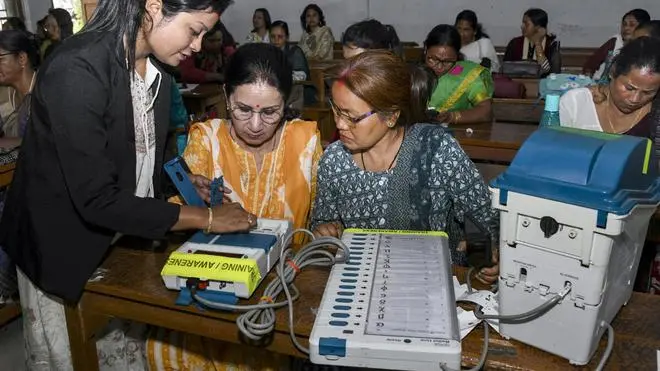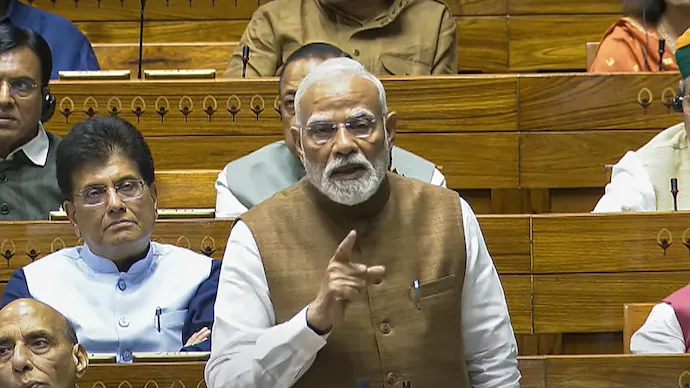
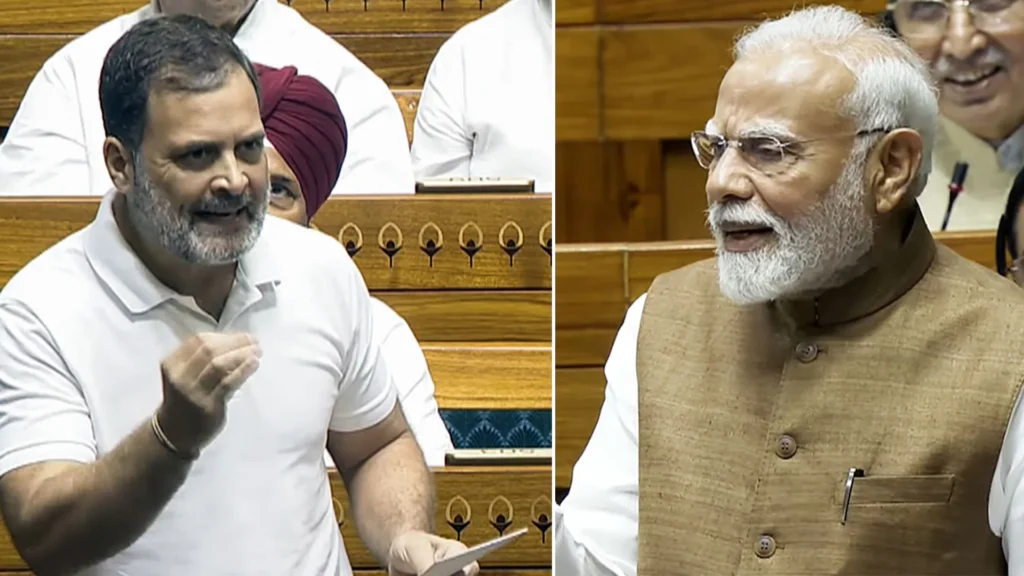
Everyone on TV is making it sound like the huge national war — Modi on one side, Rahul Gandhi on the other. However these assembly elections instance in Assam, Kerala, Tamil Nadu, West Bengal, and Puducherry. That’s why keep thinking of it as the “missing contest”. The real fight is happening quietly on the ground, in people’s daily lives, and it’s a lot more local and human than the enormous headlines want us to believe.
Kerala: A Local Story, Not a Delhi Battle
Take Kerala. Are people there waking up every morning only thinking about Modi or Rahul? Not really. They’re talking about the Left government that’s been around forever, those big corruption cases, the old Sabarimala tensions, jobs for their kids, and whether life is actually getting better. Rahul has been campaigning hard, saying strange things about some understanding between BJP and the Left. Modi also came, did big meetings, and told people the south won’t lose seats after delimitation. But on the streets and in homes? People are determined based on who will fix their hospitals, control prices, and respect their way of life. It feels very much like a Kerala story, not a Delhi one.
Tamil Nadu: Dravidian Politics Still Rules
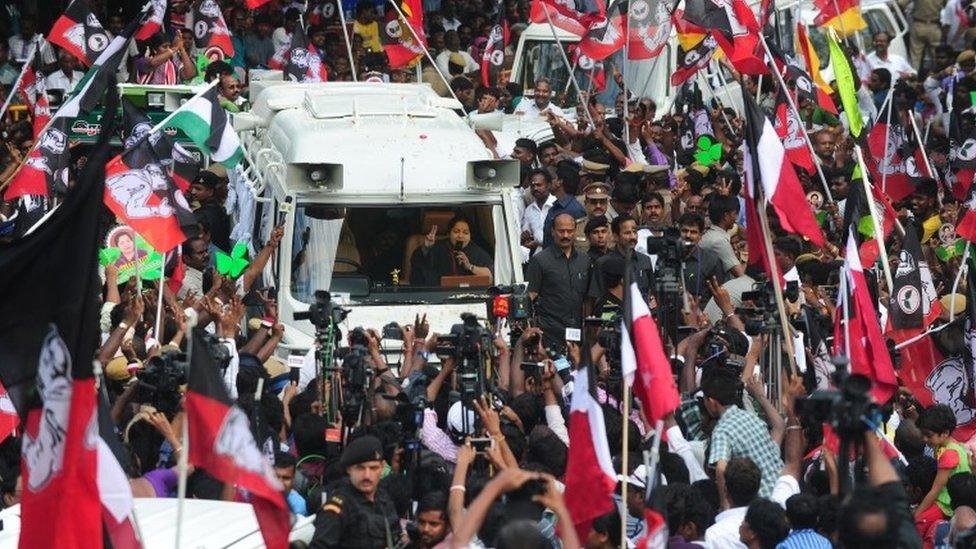
Now go to Tamil Nadu. This is pure Dravidian politics land. Stalin and DMK are stumbling with anti-incumbency, new actors like Vijay are accompany fresh energy for the youth, and BJP is trying to grow but mostly as a small partner. Here, people care deeply about their language, social justice, keeping their pride, and stopping what they see as too much bossing from the centre. Jobs, education, and feeling respected matter more than national slogans.
West Bengal, Assam & Puducherry: Leaders Over National Faces
In West Bengal, it’s regarding Didi – Mamata Banerjee fighting to stay in power against a strong BJP push. People discuss Sandeshkhali, law and order, infiltration, and who really understands Bengal’s soul. Assam feels like Himanta Biswa Sarma’s personal battle – his strong style on immigration and development is what many are responding to. And Puducherry is just small-state alliance maths. National leaders fly in, give speeches, click photos, and fly out. But the real game is local.
Why It Feels Like a “Missing Contest”
So why call it the missing contest? Because for so many years we’ve been trained to see every single election as Modi versus the rest, with Rahul as the face of opposition. But our country is still beautifully messy and federal. These places have their own histories, languages, worries, and dreams. More than 17 crore voters, hundreds of seats — and most of them are thinking simple, real things: Will my son get a job after college? Can my daughter come home safely at night? Will they handle floods or help with farm prices? Young people especially are asking practical questions, not just cheering big names on TV.
National Leaders vs Ground Reality
Of course Modi’s popularity and schemes help BJP in many places. Rahul’s talks about jobs and the Constitution touch some hearts too. But here they feel like background music. The main song is being sung by regional leaders and local problems. And honestly, that’s a good thing for our democracy. It keeps power closer to where people actually live instead of everything becoming one big Delhi-controlled show.
The Human Side of Elections
What touches me the most is how human this whole thing is. Voters are not robots waving flags. They are mothers saving every rupee for school fees, young graduates worried about their future, farmers checking the sky for rain, and communities who just want to feel safe and respected. Elections like these remind us that India doesn’t vote in one single colour. We vote in layers — family needs, caste equations, language pride, local development, and only sometimes the big national mood.
What the Results Will Really Show
When the results come, they will tell us many small truths without deciding the whole future for 2029. They’ll show whether Modi’s magic still works strongly in tough areas, if Congress can slowly rebuild through alliances, and how strong leaders like Mamata, Stalin or Himanta are holding their ground. But more importantly, they’ll prove again that Indian politics is not fully nationalised yet. The “missing contest” — the one about real daily struggles and hopes — is what actually decides who will run our states for the next five years.
Conclusion: Democracy Beyond Big Faces
That’s what makes our democracy so alive and surprising. It’s not just two big faces fighting on screens. It’s millions of ordinary Indians quietly deciding what they want for their own little corner of this huge country.
Sources:
- The Hindu, India Today, Economic Times, BBC, Times of India, Reuters, Frontline, Open Magazine report.