
A Bold Claim From Trump
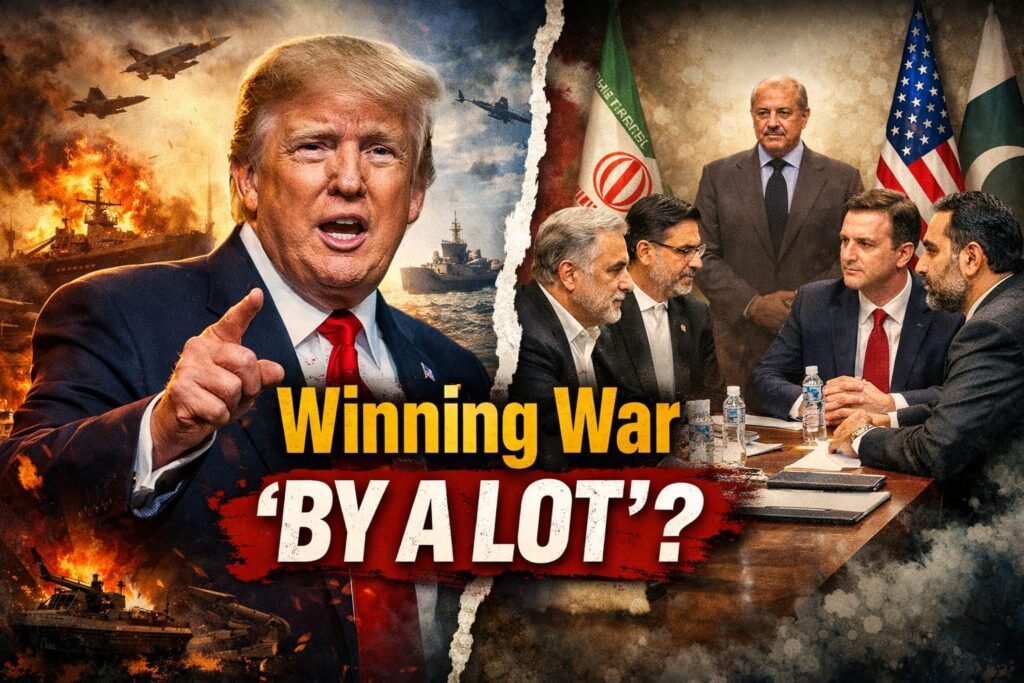
President Donald Trump is out there on Truth Social, pumping his fist and saying he’s “winning the war by a lot.” Meanwhile, there’s this fragile hope for talks in Pakistan that’s hanging by a thread. Let me walk you through it, like we’re chatting over coffee.36
Trump posted it just hours before what could be another round of direct negotiations: “I’m winning a War, BY A LOT, things are going very well…” He laid it out—America’s military has been “amazing,” Iran’s navy is wiped out, their air force is grounded, leaders are gone (he even called parts of it regime change), and that blockade is costing them $500 million a day. He accused the “fake news media” of rooting for Iran, but insisted it’s not happening on his watch. Classic Trump—bold, unfiltered, and full of confidence.
Military Reality vs Political Messaging
And honestly, from a military standpoint, it’s hard to argue the US and Israel haven’t landed heavy blows. This thing kicked off weeks ago, and reports talk about devastated Iranian missile sites, sunk ships in the Strait of Hormuz, and a leadership shaken up. The US Navy’s been boarding and seizing vessels, keeping pressure on those critical shipping lanes. Oil prices spiked, global markets got jittery, and yeah, the human cost has been brutal on all sides. Trump and his team, including folks like JD Vance, have framed it as “peace through strength”—hit hard, then talk from a position of dominance.
Diplomatic Efforts: Pakistan in the Middle
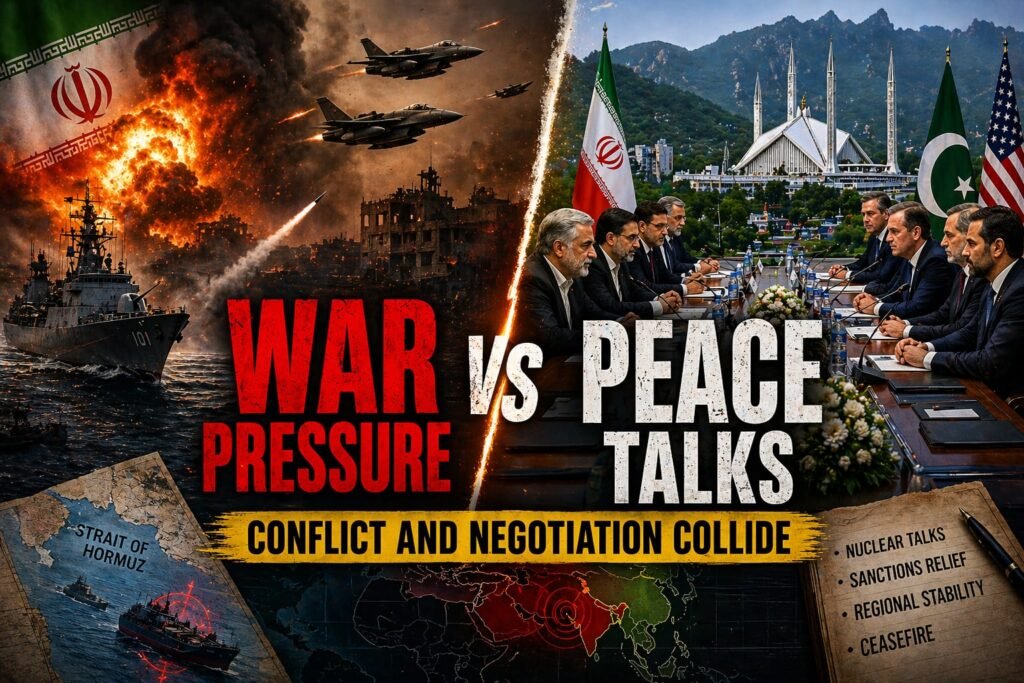
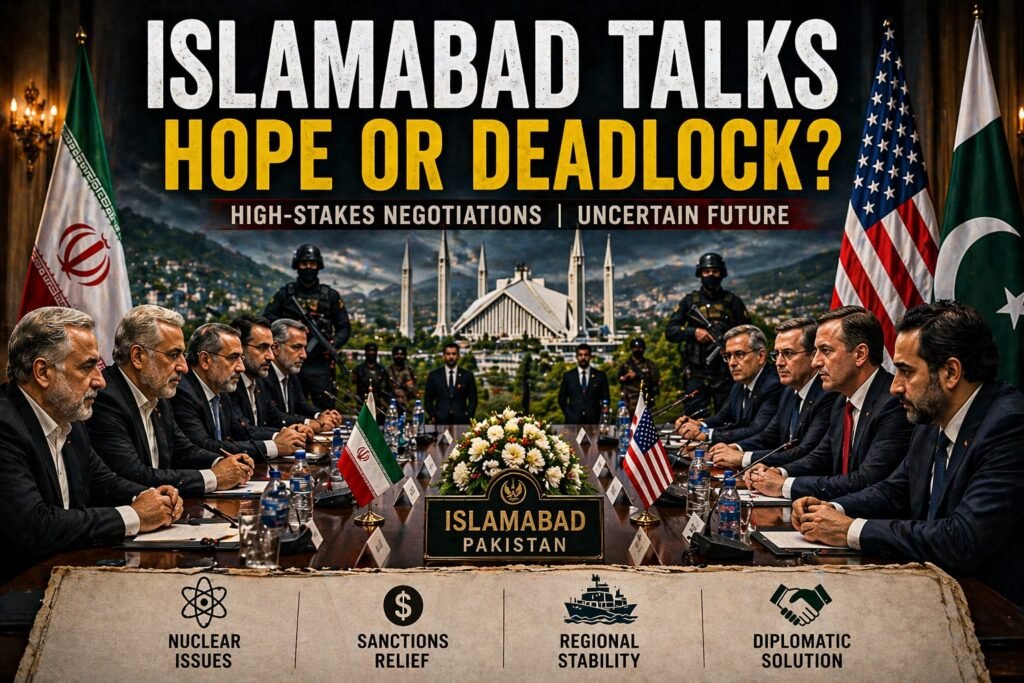
But here’s where it gets complicated, my friend. A US delegation is gearing up to head to Pakistan in the coming days for what would be the second attempt at face-to-face talks with Iran in Islamabad. The first round happened earlier this month—marathon sessions, over 21 hours straight at the Serena Hotel. Vice President JD Vance led the Americans, along with people like Steve Witkoff and Jared Kushner. On the Iranian side, high-level folks including parliamentary speaker Mohammad Bagher Qalibaf and Foreign Minister Abbas Araghchi showed up. Pakistan rolled out the red carpet as mediator—army chief Asim Munir, PM Shahbaz Sharif, all in. Security was insane: checkpoints everywhere, thousands of personnel.
What Happened in the First Round
They talked nuclear issues, the blockade, regional stuff like Lebanon, frozen assets—you name it. There were dinners, back-and-forth drafts, calls back to capitals. Progress in bits and pieces, but no full deal. Vance came out afterward saying the good news was they had real discussions, but the bad news? No agreement. Iran hadn’t accepted the terms, especially on ditching any nuclear ambitions long-term. Iranians called it a process, not a failure, and left the door cracked open. Pakistanis played it cool, saying they’d keep facilitating.
Round Two: Uncertainty Looms
Now for round two. Uncertainty is thick. Iran hasn’t fully confirmed they’ll send a top team again. Their foreign ministry has been cautious, saying no plans or setting conditions. Tehran wants movement on lifting pressure, guarantees, and maybe tying in other fronts. The ceasefire—brokered with Pakistani help—is fragile, set to expire soon. One wrong move, and things could flare up again with mines in the strait, more strikes, or worse.14
Why Pakistan Matters Here
Pakistan’s role here is fascinating. Why them? They share a border with Iran, have ties across the Gulf, and aren’t seen as totally in anyone’s pocket. No big US bases there, but enough trust (or at least pragmatism) from both sides. Asim Munir has reportedly built rapport with Trump. It’s classic shuttle diplomacy in a tough neighborhood—China’s influence, Saudi interests, all swirling around. Islamabad wants this to work; stability means everything for them.
Trump’s Strategy: Strength as Leverage
Trump’s victory talk isn’t just chest-thumping. It’s strategic messaging. He’s telling Iran: we’re crushing it militarily, the clock is ticking on your economy, come to the table or else. He’s also speaking to his base back home and allies who are feeling the oil price pinch and worried about escalation. But critics—and there are plenty—point out echoes of past “mission accomplished” moments. The war has costs: economic ripples, strained alliances, questions about long-term stability in the region. Iran’s not on its knees; they’re resilient, dug in, and playing for time.
Key Sticking Points in Negotiations
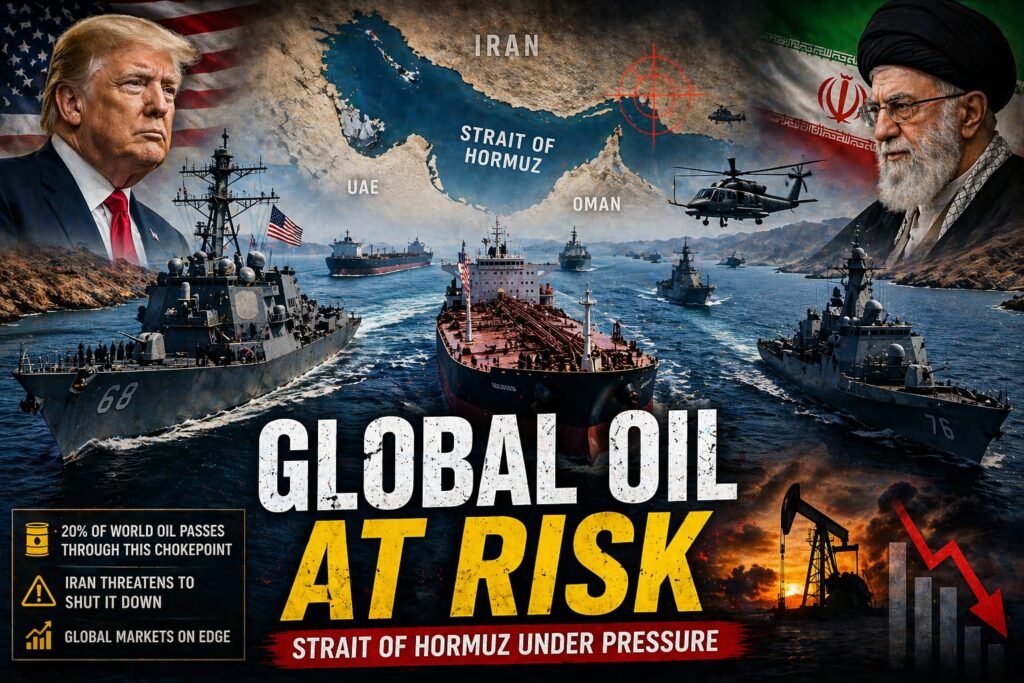
What are the big sticking points? Iran’s nuclear program tops the list—US wants ironclad commitments, maybe dismantling capabilities. Iran sees it as their right and wants sanctions relief. Then there’s the Strait of Hormuz—vital for global energy. Iran has threatened to shut it down; the US has enforced a blockade. Add in proxies, Lebanon, and broader “resistance axis” stuff, and it’s a knot that’s tough to untie in one sitting.
Global Impact and Human Cost
On the ground, ordinary people are watching nervously. In Tehran, sanctions and isolation have hurt for years—now compounded by war damage. In the US, families of service members, businesses dealing with energy volatility. Pakistan’s streets in Islamabad buzzed with the first talks; now it’s hope mixed with realism. Global players like China are voicing concerns about the “world order crumbling,” while others quietly cheer or hedge bets.40
What Happens Next?
Trump’s style is to project strength and keep everyone guessing. He says the enemy is “confused,” and maybe they are. But diplomacy rarely moves on boasts alone. The delegation heading out—likely including Vance again—will need patience, creative compromises, and maybe some quiet side deals. Pakistan’s pushing hard behind the scenes for another meeting soon, possibly this week or next.
No one wants this to drag into a longer nightmare. The region has seen enough destruction. If talks click, it could mean reopened shipping lanes, eased tensions, and a breather for everyone. If not… well, the military option stays on the table, and Trump’s “by a lot” claim gets tested further.
Final Thoughts: A High-Stakes Game
It’s a high-stakes poker game. Trump’s all-in on American leverage. Iran is betting on endurance and international sympathy. Pakistan’s the dealer trying to keep the cards moving. We’ll see how the next hand plays out. In the meantime, keep an eye on those Truth Social posts and quiet diplomatic flights into Islamabad—they might just shape what the Middle East looks like for years.
Sources:
• NDTV reports on Trump’s statement and Pak talks
• Al Jazeera coverage of Islamabad talks timeline
• Reuters, BBC, and NYT summaries on negotiations and sticking points
• Various official statements via Truth Social and press briefings (April 2026)