

Imagine finishing a long shift at one of India’s biggest IT firms, thinking the nightmare at work is finally behind you, only to open phone and find the same people who made your days hell sliding into your DMs. Obscene messages, creepy videos, relentless pings on WhatsApp, Instagram, Facebook – no escape, even from home. That’s the chilling new layer police have uncovered in the TCS Nashik case that’s got everyone talking.
It started as complaints of workplace harassment and pressure to convert religions. Now it’s bigger, darker, and it refuses to stay inside the office walls. Cops say the accused didn’t just stop at inappropriate touches, lewd comments, or forcing young Hindu women to offer namaz or wear skull caps during shifts. They allegedly kept the terror going online, stalking survivors and other female colleagues long after complaints were filed. This isn’t just a workplace scandal anymore – it’s a story of power, control, and how digital platforms became weapons when the physical ones weren’t enough.

The Spark That Lit the Fire
Let’s rewind a bit, like friends catching up over chai. Back in February, Nashik police got a tip about something rotten at the TCS BPO unit. Young women, mostly in their early 20s, were whispering about team leads and managers crossing every line. Promises of marriage that turned into coercion. Derogatory jabs at Hindu gods. Pressure to eat non-veg against their beliefs. Some spoke of being isolated on rooftops, phones snatched, made to feel trapped.
Undercover women cops posed as housekeeping staff and saw it firsthand. What they reported was horrifying – a pattern that wasn’t random but felt organized. Nine FIRs got registered. Complaints from at least eight women (and one man) poured in, covering everything from sexual harassment and molestation to hurting religious sentiments and attempted forced conversion. Seven people, including an HR manager named Nida Khan were picked up. TCS suspended the accused and told employees to work from home while the storm raged.
But here’s the twist that makes your skin crawl: even after arrests and suspensions, the probe revealed the harassment never really stopped. It just moved to our phones.
The Digital Shadow: Stalking Without Boundaries
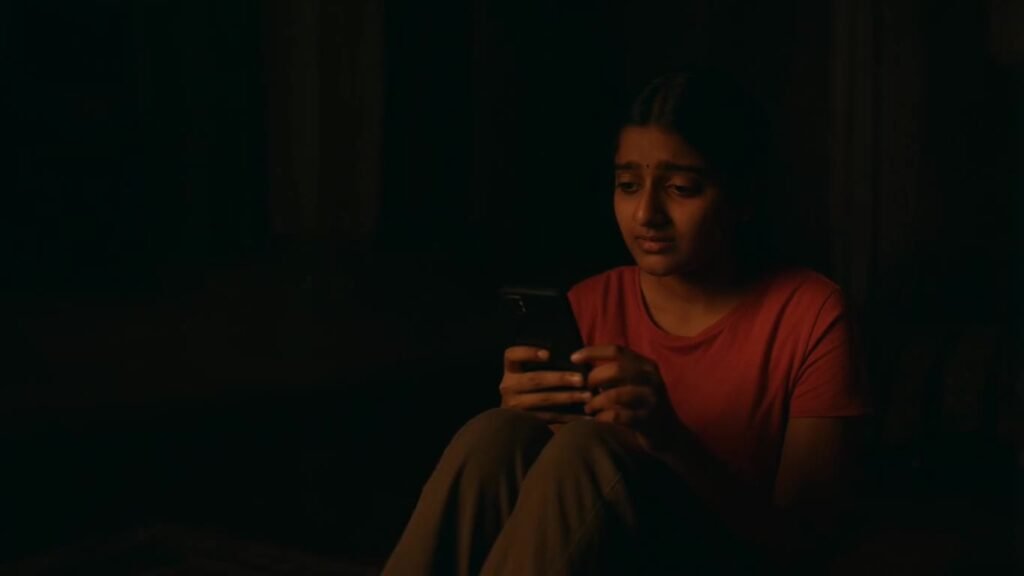
Police investigators digging into devices found something straight out of a thriller. The suspects allegedly reached out to survivors through Facebook, Instagram, and WhatsApp. Not polite check-ins – talking repeated messages, obscene comments, objectionable videos, and that classic stalker vibe of refusing to take no for an answer.
One survivor after another described the dread of notifications lighting up their screens at odd hours. “It felt like they were still watching,” a voice close to the investigation shared. These weren’t isolated slips; they targeted not just the main complainants but other women employees too, as if reminding everyone who held the invisible leash.
Think about it – in a world where we already worry about online safety, this hits different when it comes from people who once signed your timesheets or sat two desks away. The power imbalance doesn’t vanish with a suspension letter. It follows you home, into your personal chats, poisoning the one place you thought was safe.
Forensic teams are now sifting through deleted chats, call logs, and shared media. Early findings suggest this digital arm was part of a bigger playbook – profiling targets, building false trust, then applying pressure both in-person and online. Some reports hint at possible wider networks, even whispers of international links like a Malaysia-connected preacher, though that’s still under the scanner by SIT, ATS, and others.
Voices from the Ground: What Survivors Are Saying
One young woman told investigators how an accused hid his own marriage while promising her when she resisted conversion. Another spoke of vile remarks about her faith, being made to participate in practices that felt like erasure of who she was. The rooftop isolation tales – phone gone, alone with someone pushing boundaries – still give chills.
These aren’t faceless “victims” in a report. They’re daughters, sisters, friends who joined TCS dreaming of a stable career in a respected company. Instead, they got a crash course in fear. One survivor reportedly said something like “Thank God I survived” after recounting months of mental and physical pressure. That line hits hard because it captures the exhaustion – not just surviving the acts, but the constant shadow afterward.
At least one male employee filed a complaint about similar coercion. The pattern painted a picture of a clique that operated like they owned the place, using positions of authority to target the vulnerable.
What TCS Said (and Didn’t)
Tata Consultancy Services moved fast once things blew up – suspensions, work-from-home orders, statements about zero tolerance for harassment. They clarified Nida Khan wasn’t some senior HR boss in the way some headlines painted, but the damage to reputation is real. In India’s corporate scene, where TCS is a giant employing lakhs, this case stings because it raises questions everyone’s quietly asking: How did this go on for years (allegedly since 2022)? How many red flags were ignored?
The company has cooperated with police, handing over data, but the public eye is unforgiving. Social media exploded with everything from support for survivors to debates on faith, corporate responsibility, and safety for women at work.
Bigger Questions This Case Forces Us to Face
This isn’t just about Nashik or TCS. It’s about how fragile workplace safety feels when power mixes with preconception. Religious conversion allegations add fuel in our already polarized times, but at its core, No one should fear opening their phone because their harasser is still out there.
Police are widening the net – more victims emerging, electronic evidence piling up, possible MCOCA angles for organized crime. National Commission for Women is involved. This won’t fade quietly.
For the survivors, the online stalking adds layers of trauma. It’s not just “move on and forget.” It’s rebuilding trust in systems, in colleagues, in the very platforms we use daily. Mental health support, stronger digital safety laws, better internal grievance mechanisms – these conversations need to happen now, not later.
As someone following this closely, what strikes me most is the courage it took for these women to speak up. In a setup where HR was allegedly part of the problem, going to police took guts. Their accounts – hair-raising details of faith being mocked, dignity stripped, safety violated – remind us why reporting matters, even when it’s messy and public.
The Road Ahead
The case is live. More arrests possible, bail battles incoming (one accused cited pregnancy for anticipatory bail), deeper probes into funding or links. Nashik police commissioner and SIT are under pressure to deliver justice without bias.
For everyone of us – whether in IT, any office, or just scrolling feeds – this is a wake-up. Train your eyes to spot red flags. Push companies for real accountability. Demand platforms take online harassment seriously when it spills from real-world crimes.
In the end, it’s simple: Work should build up, not break you down. And no one – no team lead, no HR, no message in your inbox – gets to take away your peace.
Sources:
- DNA India (on social media stalking): Detailed police findings on digital harassment.
- NDTV (multiple pieces): Targeted recruits, modus operandi, Nida Khan updates, and explicit stalking reports.
- Firstpost Explainers: FIR details, stalking, groping, conversion attempts.
- The Hindu / Times of India / Hindustan Times: Undercover op, arrests, masterminds, TCS statements, Nida Khan bail.
- Broader coverage: Deccan Herald, Livemint, Indian Express, Republic World, etc.