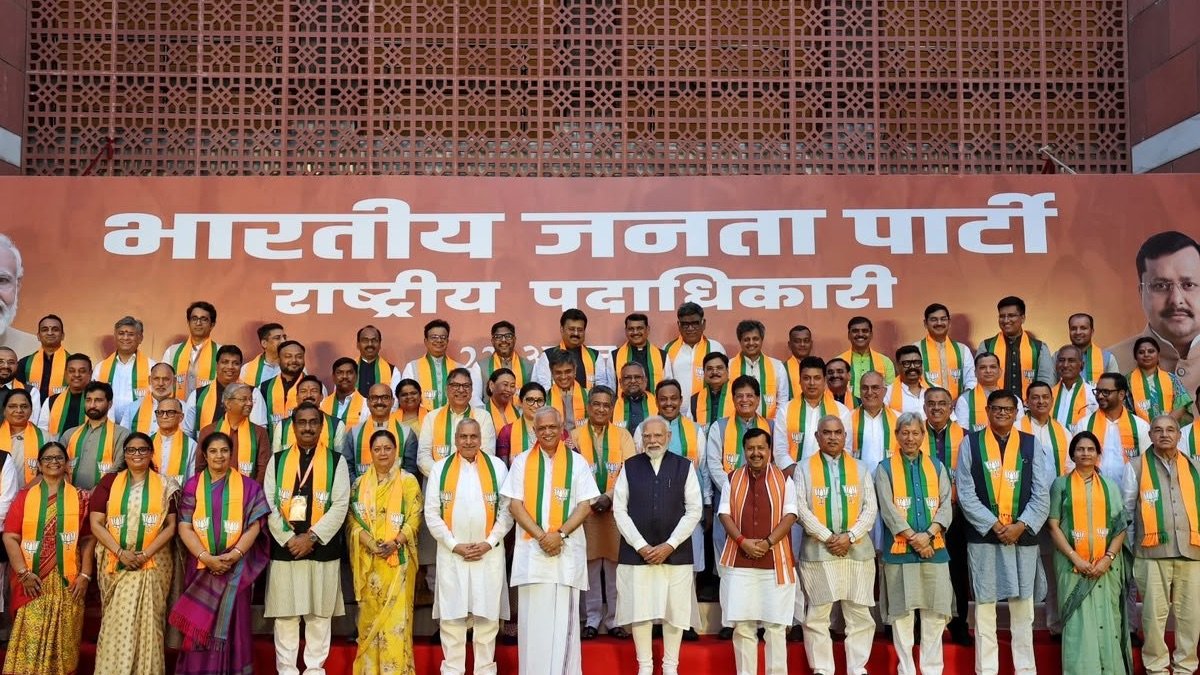
The BJP’s big organisational clean-up under Nitin Nabin is done. Smriti Irani is back as a general secretary, Ram Madhav has a vice-president’s chair again, Piyush Goyal is the new party treasurer, and a whole lot of younger faces and women have been given organisational posts. Now the conversation in Delhi has quietly shifted to the next logical step — a reshuffle of the Union Council of Ministers.
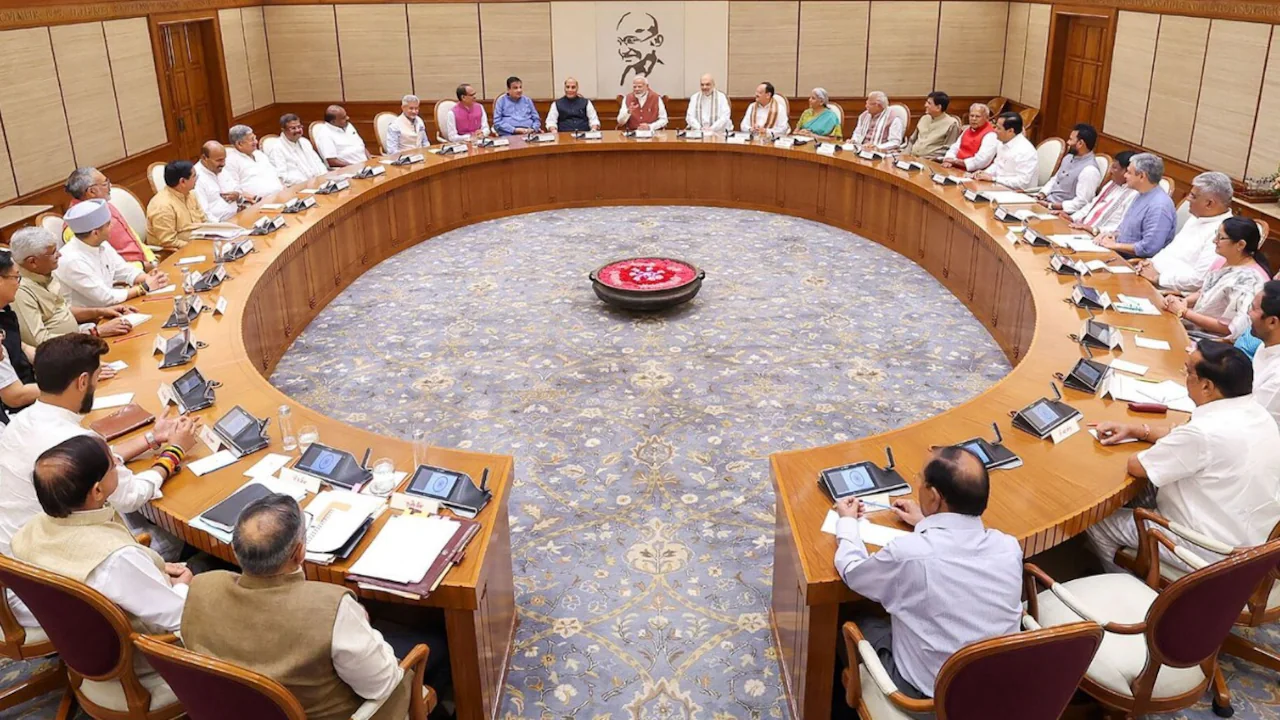
Right now the Council sits at 69 members, including the Prime Minister. The Constitution allows up to 81. That leaves twelve empty chairs. Sources say the government is looking at filling them, and the thinking is not just about the next few months. It is also about the 2029 Lok Sabha elections and the state polls that come before that — especially Uttar Pradesh early next year and Gujarat towards the end of next year.
A few people have already moved out. Dharmendra Pradhan stepped down as Education Minister after the paper-leak protests. George Kurien and Ravneet Singh Bittu quit when their Rajya Sabha terms ended. More exits are expected. The party has always preferred one person, one role. Harsh Malhotra is now Delhi BJP chief and Pankaj Chaudhary heads the Uttar Pradesh unit. Both are ministers of state. Piyush Goyal, still Commerce Minister, has taken on the treasurer’s job. People who get solid party posts often make way in government. Hardeep Singh Puri and BL Verma’s Rajya Sabha terms end in November, so their future is also being watched. Performance is another quiet factor some leaders mention.
Who could come in? Age is clearly on the table. When Modi 3.0 started in 2024, most ministers were in the 51-70 bracket. At least a dozen cabinet ministers and ministers of state with independent charge are now past 70. Jitan Ram Manjhi is 81. The youngest is still K. Ram Mohan Naidu at 38. Sources say the next list is likely to bring more younger faces and more women.
Geography matters a lot. Himachal Pradesh and Karnataka, both under Congress governments, are being discussed for new representation. Madhya Pradesh, Rajasthan and Maharashtra are also on the radar. Uttar Pradesh, heading into elections, will almost certainly get attention. Gujarat, the Prime Minister’s home state, will not be left out either.
Allies and recent switchovers are another big part of the conversation. In Maharashtra, Eknath Shinde’s Shiv Sena has grown to 13 MPs. His son Shrikant Shinde’s name is floating around for a possible berth. In Punjab, the group of seven Rajya Sabha MPs who left the Aam Aadmi Party and joined the BJP is being talked about. Sandeep Pathak from that group already has a party secretary’s role. There is also quiet talk of the Shiromani Akali Dal coming back into the NDA fold. Harsimrat Kaur Badal was in the Cabinet before she resigned over the farm laws. If that alliance is restored, she or someone from the party could return.
A group of Trinamool Congress MPs from West Bengal who moved to a smaller party and backed the NDA is another set that may get accommodation. There is even chatter about the DMK in Tamil Nadu and a possible larger role for the NCP in Maharashtra if the two factions come closer. Nothing is decided, but the political maths is being done.
Fourteen ministers currently handle more than one portfolio. Amit Shah has Home and Cooperation. JP Nadda looks after Health plus Chemicals and Fertilisers. Shivraj Singh Chouhan has Agriculture and Rural Development. Ashwini Vaishnaw runs Railways, Information and Broadcasting, and Electronics and IT. The list goes on. A reshuffle could lighten some of those loads and give clearer focus to individual ministries.
The party itself has not said anything official. It rarely does until the decisions are final. But the pattern is familiar. Organisational roles first, then government roles. One person, one responsibility. Performance and electoral arithmetic both count. Younger faces and women are expected to get a bigger share this time.
Nothing is locked in yet. Timelines are still fluid. But the twelve empty berths are real, the political calendar is tight, and the long list of contenders is already being discussed in the corridors. When the changes come, they will be shaped as much by the road to 2029 as by the immediate needs of government.
Sources:
NDTV report based on conversations with sources in New Delhi (25 August 2026); earlier reporting on BJP organisational changes under Nitin Nabin from The Week, Hindustan Times and other outlets.
@Rohit Manral