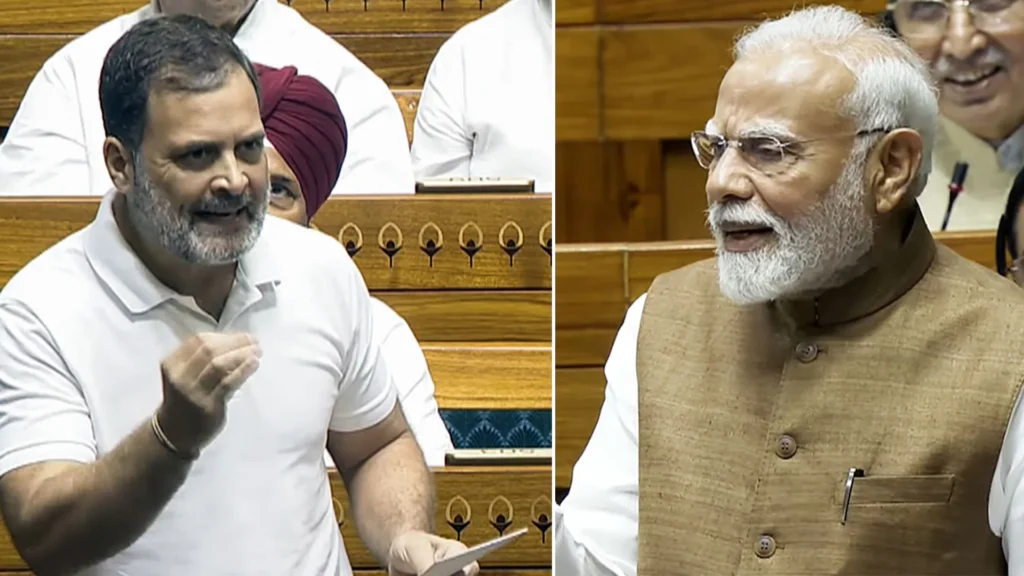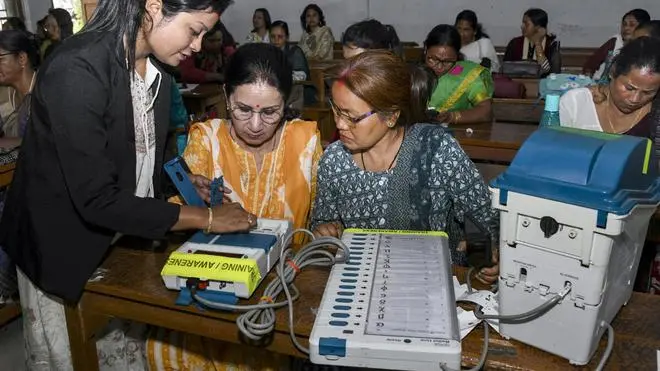

The usual political drama, they actually talk like adults trying to make life better for their people? That’s exactly what happened in Delhi this week. U.S. Trade Representative Jamieson Greer just wrapped up a two-day visit, and both sides are quietly saying they’ve made “substantial progress” on hammering out a trade deal. No big flashy announcements or victory laps, but the vibe feels real and hopeful.
Trade Talks in Delhi Show Signs of Real Progress
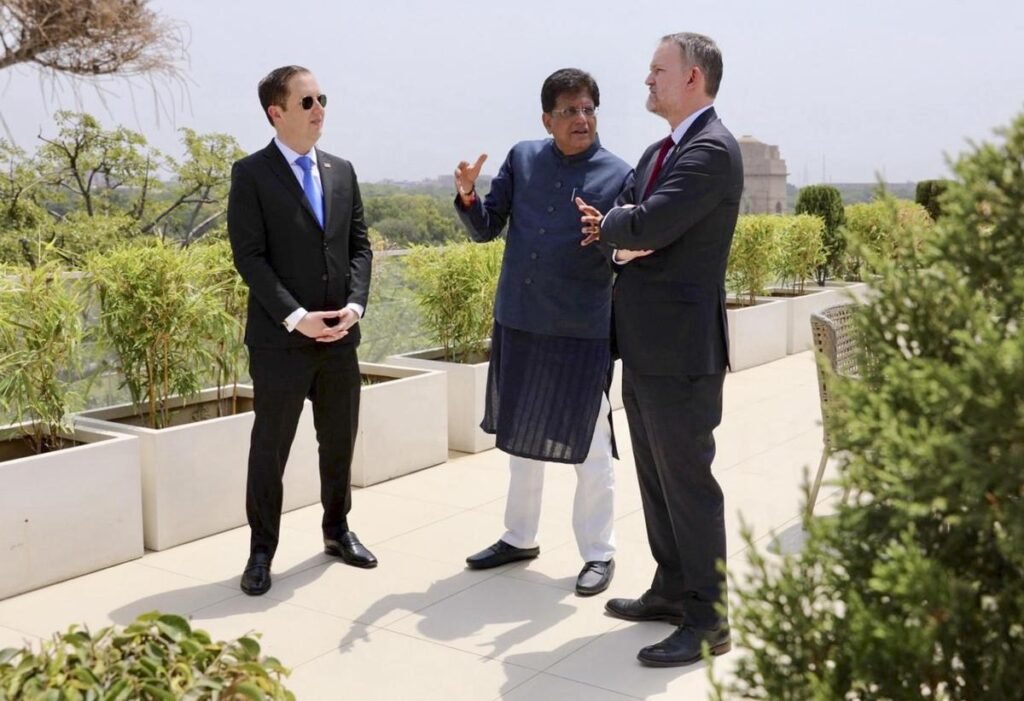
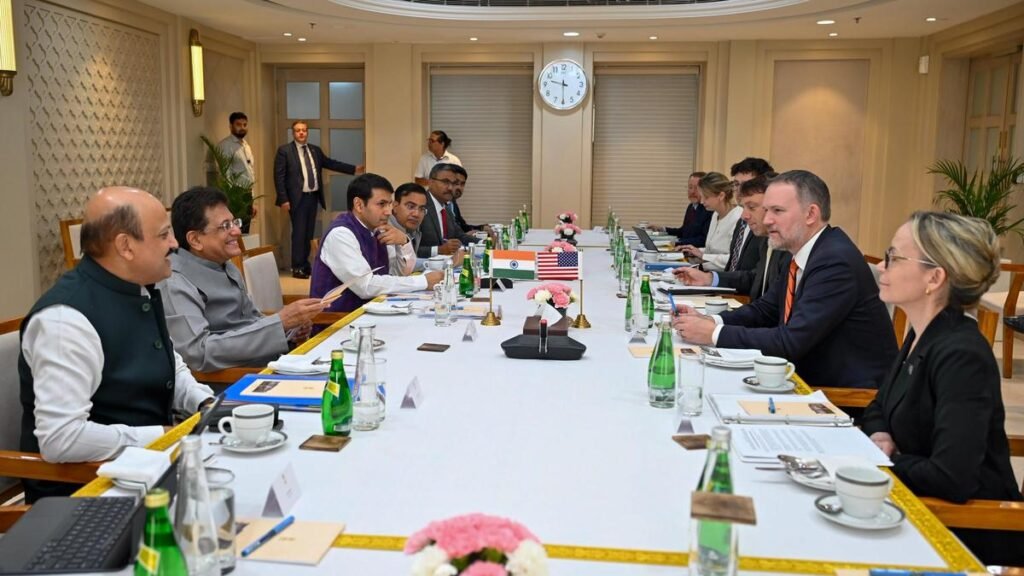
Picture this: meetings at Vanijya Bhawan with Commerce Minister Piyush Goyal and his team. They went over the tricky details of an interim agreement and the bigger bilateral trade pact they’ve been working on. It wasn’t all smooth sailing – these things never are – but the conversations sounded constructive. Less finger-pointing, more “how can we fix this together?”
This comes right after PM Narendra Modi and President Donald Trump caught up at the G7 in France. Those two have a certain chemistry, even when they’re tough negotiators with each other. Trump has said as much publicly. That personal warmth at the top clearly helped set a friendlier tone for the folks doing the actual bargaining in Delhi. It’s nice to see when high-level relationships actually trickle down and make things move.
Why India-US Trade Relations Matter More Than Ever
Right now, trade between India and the US is already touching about $120 billion every year. That’s a lot of Indian medicines saving lives in America, our IT folks powering their tech, beautiful textiles and jewelry crossing the oceans, and American stuff – from farm products to defense gear and energy – coming here. But everyone knows the potential is way bigger. India’s huge growing market and America’s innovation could do so much more if they clear the roadblocks.
Key Issues Discussed During the Trade Negotiations
So what were they really talking about in those closed rooms? The usual tough bits that always come up: how much easier it should be for each other’s products to enter the markets, rules for digital trade, making supply chains stronger and less shaky, agriculture, dairy, and protecting ideas and patents.
Market Access and Tariffs
Both countries discussed ways to improve access for products and services while addressing tariff-related concerns that have long been sticking points in negotiations.
Digital Trade and Supply Chains
Officials also focused on digital trade frameworks and strengthening supply chains so businesses in both nations can operate with greater reliability and resilience.
Agriculture, Dairy, and Intellectual Property
Indian dairy farmers in places like Gujarat are naturally worried about too much American competition. American companies want better protection for their tech and pharma. These aren’t new fights, but people who know about the meetings say the atmosphere this time was practical. Both teams were focused on finding middle ground that works for farmers in Punjab, workers in American factories, and everyday folks on both sides.
A Business-Like but Friendly Atmosphere
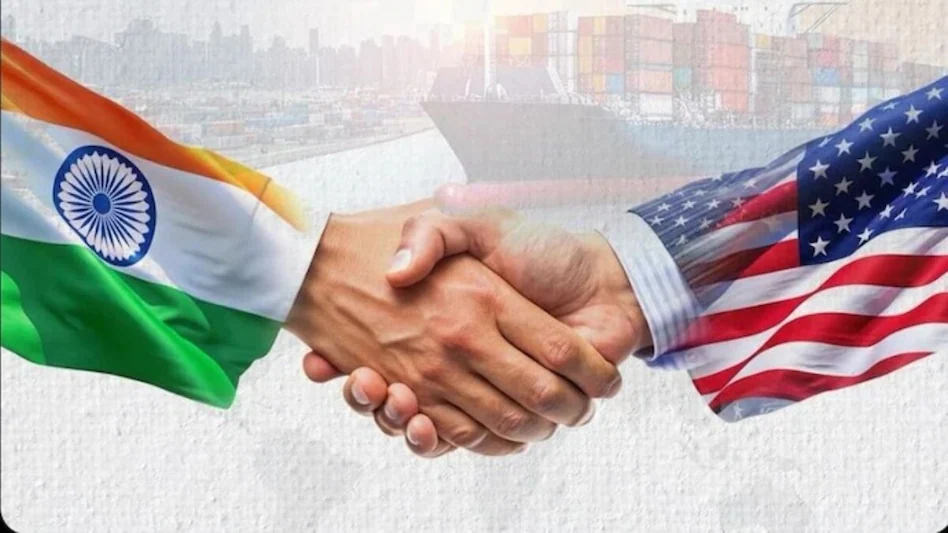
One person close to it called it “business-like but friendly.” They dug into each sector, listened to concerns, and tried to balance things instead of scoring points. That’s refreshing in today’s world. Earlier rounds in June had already narrowed things down to the fine print. Bringing Greer in at this level helped push past some of the political sensitivities. Piyush Goyal, who stays deeply involved in these files, hosted them warmly and later shared that the discussions felt productive.
What This Means for Ordinary People
Why does this matter to regular people? Because a good trade deal could mean more jobs, better prices, and stronger economies. Indian exporters – small manufacturers, service companies, pharma units – have been waiting for fairer access to that giant American market. On the other side, American businesses see India’s rising middle class as a huge opportunity.
And in a world full of uncertainties and tensions in the Indo-Pacific, stronger economic bonds between the two biggest democracies feel like smart insurance. Less dependence on risky supply chains, more reliable partnerships.
Challenges Still Remain
Sure, there are still real challenges ahead. Tariffs, regulations, data rules – these don’t vanish overnight. There’s even some July 24 deadline pressure on certain tariff things, but nobody seems desperate to rush and make a bad deal. The focus feels like quality over speed, which is exactly what you want when millions of livelihoods are involved.
Positive Signals from Both Sides
As Greer headed back, the official messages were measured but positive. No fixed date for signing yet, but the momentum is clearly building. Goyal thanked the American team for their constructive spirit, and the US side appreciated India’s seriousness about finding a balanced outcome.
It’s not just transactional anymore – “you give me this, I give you that.” It feels like two big nations trying to build something that actually lasts, while still respecting each other’s red lines. Farmers on both ends have genuine worries, and those can’t be brushed aside. But the willingness to keep talking, to keep finding common ground – that’s what stood out.
What Happens Next?
In the weeks ahead, the experts will keep working on the technical stuff. If this “substantial progress” is as solid as it sounds, we could see an interim deal taking shape reasonably soon. For now, it’s one of those quiet wins in international relations that doesn’t always make screaming headlines but actually moves the needle.
The Bigger Picture: A Partnership Built for the Future
At the heart of it, this is about people. Jobs for young Indians in manufacturing and services. Opportunities for American exporters. Stronger chains for medicines, food, and technology that touch daily life. In a noisy, divided world, watching two major powers handle complex talks with patience and goodwill feels genuinely good. It reminds you that even big global stuff can come down to simple human effort – listening, adjusting, and trying to leave both sides better off.
Here’s hoping the coming months keep that positive energy going. India and the US have so much to gain by getting this right. For ordinary folks on both sides of the ocean, that would be the real victory.
Sources:
The Hindu and Economic Times reports from the visit (June 23-25, 2026)
PTI and Ministry of Commerce updates
Reuters briefings on the trade talks
Public statements from Piyush Goyal and U.S. Trade Representative office
This is how it felt on the ground – real conversations between two countries that actually want to make things work.