
It’s one of those stories that feels straight out of a high-stakes drama – full of crumple, asseveration flying left and right, and a finish that left everyone talking. On Thursday, June 11, 2026, the Bharatiya Janata Party (BJP) walked away with all three Rajya Sabha seats from the state without a single vote being cast against them. Their contender – Tarun Chugh, Rajneesh Agrawal, and Mahesh Kevat – were declared elected unopposed. But this wasn’t some smooth, uneventful process. It came wrapped in a big row over Congress leader Meenakshi Natarajan’s nomination getting rejected.
BJP’s Strong Position in the Madhya Pradesh Assembly
Madhya Pradesh’s assembly has 230 members, and with BJP holding a strong legal age (around 163 seats or so), they were always in a commanding position. Still, Congress decided to field Meenakshi Natarajan for one of the seats, asserting they had the numbers to make it a contest.
Who is Meenakshi Natarajan?
She’s no newcomer – a former Lok Sabha MP from Mandsaur, a close associate in Congress circles, and someone who’s been active in the party’s organizational setup, including roles in Telangana. When her nomination papers came up for scrutiny on June 9, the Returning Officer (who’s also the Principal Secretary of the Madhya Pradesh Assembly, Arvind Sharma) rejected them. The reason? Alleged non-disclosure of a pending court case from Hyderabad in Telangana. BJP leaders, including one of their own candidates Mahesh Kevat, had raised an objection saying she hadn’t mentioned details of a complaint under Section 223 of the Bharatiya Nyaya Sanhita in her affidavit.

Congress Alleges Political Motive Behind Rejection
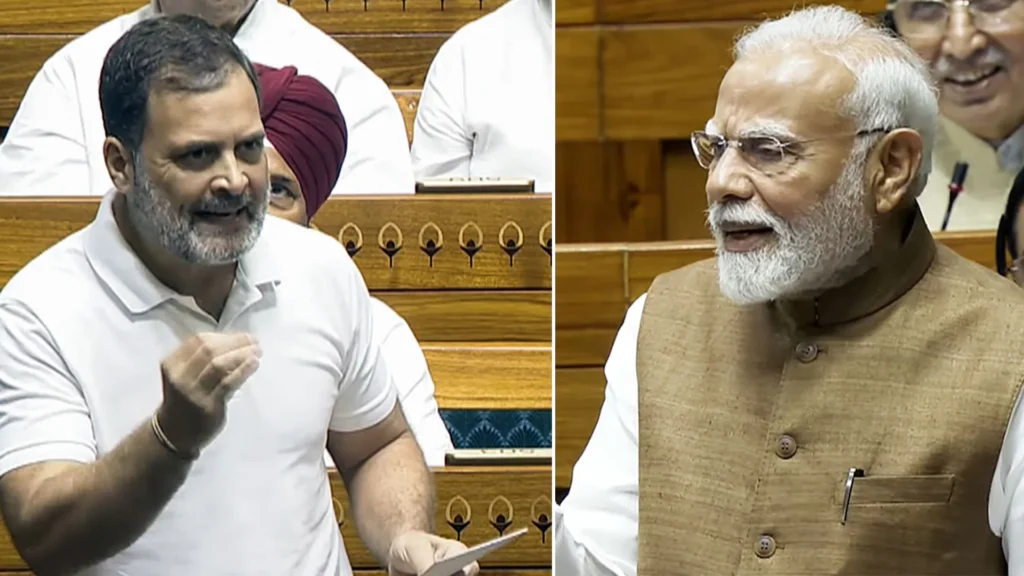
Congress hit back hard. They called it a politically motivated move, part of a larger game to “steal” the seat. Leaders like Rahul Gandhi spoke about “seat chori” – seat theft – and accused the Election Commission of India (ECI) of acting in tandem with BJP. There were protests, delegations to the ECI that reportedly didn’t even get a proper hearing, and urgent appeals to the Supreme Court. Meenakshi herself rejected the allegations, saying it was all a ploy to manipulate the election. The party argued that the case wasn’t serious enough to warrant rejection and that proper procedures weren’t followed.
Supreme Court Hearing and Election Outcome
On the legal front, things moved fast but didn’t swing in Congress’s favor immediately. The Supreme Court agreed to hear the plea on Friday, June 12, but refused to stay the election process. That was crucial. With the deadline for withdrawals passing at 3 PM on Thursday and no other candidates in the fray after Natarajan’s papers were out, the Returning Officer had no choice but to declare the BJP trio elected unopposed. Certificates were handed over right there at the assembly premises amid celebrations – sweets were distributed, leaders congratulated the winners, and BJP workers cheered.

Meet the Three BJP Rajya Sabha Winners
Now, let’s meet the winners, shall we?
Tarun Chugh
Tarun Chugh is a national general secretary of BJP, a familiar face in party circles with experience across states.
Rajneesh Agrawal
Rajneesh Agrawal (sometimes spelled Rajnish) serves as a state secretary, deeply rooted in Madhya Pradesh’s politics.
Mahesh Kevat
Mahesh Kevat (or Kewat) comes from a background in fishermen’s welfare – former chairman of the State Fisherman Welfare Board.
These aren’t just names on a ballot; they represent BJP’s mix of national leadership, state-level organizers, and leaders connected to specific communities.
BJP Calls It a Victory of Organization and Rules
For BJP, this is a clean sweep that strengthens their presence in the Rajya Sabha. It boosts their numbers without the uncertainty of a floor fight. Party leaders, including state president Hemant Khandelwal, were quick to hail it as a victory for their organizational strength and adherence to rules. They maintained that the rejection of Natarajan’s nomination was purely because of non-compliance with affidavit requirements – something every candidate has to follow strictly. In their view, rules are rules, and no one is above them.
Congress Continues Legal Battle
But let’s be real – Congress isn’t letting this go quietly. The legal battle continues, with the Supreme Court hearing scheduled. Whatever the court decides could set precedents for future nomination scrambles.
What This Means for Rajya Sabha Politics
Stepping back, this episode shines a light on how Rajya Sabha elections, meant to be a house of elders representing states with wisdom and debate, often become battlegrounds of pure numbers and technicalities. In states where one party dominates the assembly, unopposed wins aren’t rare, but the drama around the third seat here made it memorable. Madhya Pradesh has seen its share of political shifts – from Congress rule to BJP’s strong hold – and these elections reflect the current ground reality.
Political Reactions and Growing Debate
As celebrations wrapped up in Bhopal for BJP, Congress leaders were busy in meetings and preparing for the next legal round. The ECI maintained silence on many appeals, which only added fuel to the opposition’s fire. This isn’t the first time nominations have been rejected over affidavit issues, but the timing and high profile made it explosive.
Conclusion
In the end, politics is about power, perception, and persistence. BJP has the seats for now. Congress has the narrative of fighting an uneven field. The voters and citizens will ultimately judge through the larger democratic process. Meenakshi Natarajan’s case, whatever the outcome, has already sparked discussions on transparency in nominations and the role of returning officers. One rejection, a few legal moves, and suddenly three MPs are in without contest. Indian democracy – messy, loud, and always full of surprises.
Sources:
NDTV reports on the sweep and controversy
The Hindu coverage of elections and court proceedings
Times of India detailed account from Bhopal
The Wire on Congress reactions
Official updates and statements from party leaders via public reports (June 2026)