
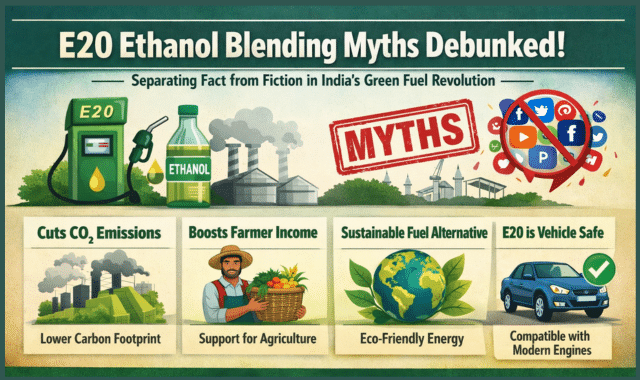
Suddenly everyone’s sharing a video claiming the petrol you’re buying is secretly wrecking your car, sucking up insane amounts of water, or even inviting ants to a feast at your fuel tank. That’s the kind of buzz that’s been swirling around India’s E20 ethanol-blended fuel lately. The government has finally come out swinging, calling out these stories as myths and half-truths that don’t hold up when you look at the facts. And honestly, after digging into it, it’s a classic case of good intentions meeting social media panic.
For those who haven’t followed every twist, E20 is regular petrol mixed with 20% ethanol. India’s been ramping this up to cut down on oil imports, help farmers earn more from their crops, and breathe a little easier on the pollution front. The idea isn’t brand new – we’ve had lower blends for years – but the full nationwide shift has people nervous, especially with dramatic posts flying around about engine damage and sky-high water use.
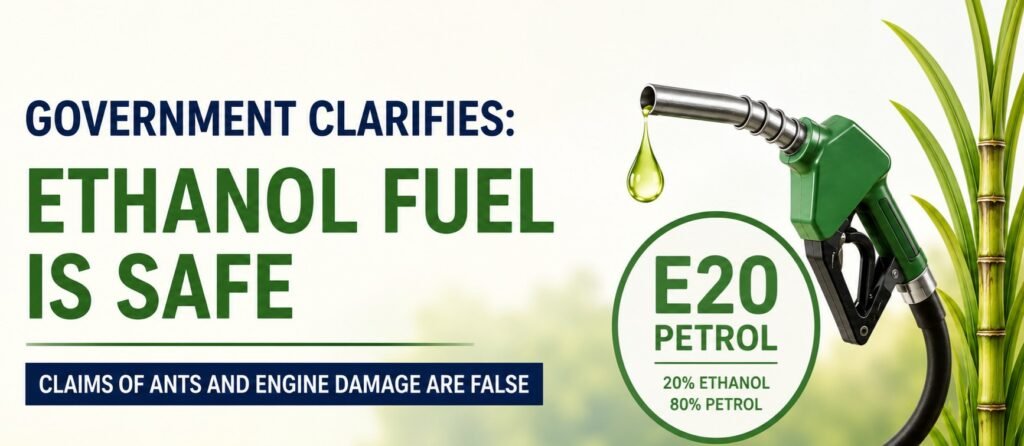
The Ministry of Petroleum and Natural Gas put out a straightforward clarification recently. They said the programme isn’t some wild science project being tested on everyday drivers. It’s been studied, tweaked with input from car makers, and rolled out step by step. The bottom line? No flood of complaints about engines dying because of E20. Sure, a few folks with older bikes or cars have griped about mileage drops or odd issues, but officials insist there’s nothing widespread or directly traceable to the blend in properly maintained, compatible vehicles.
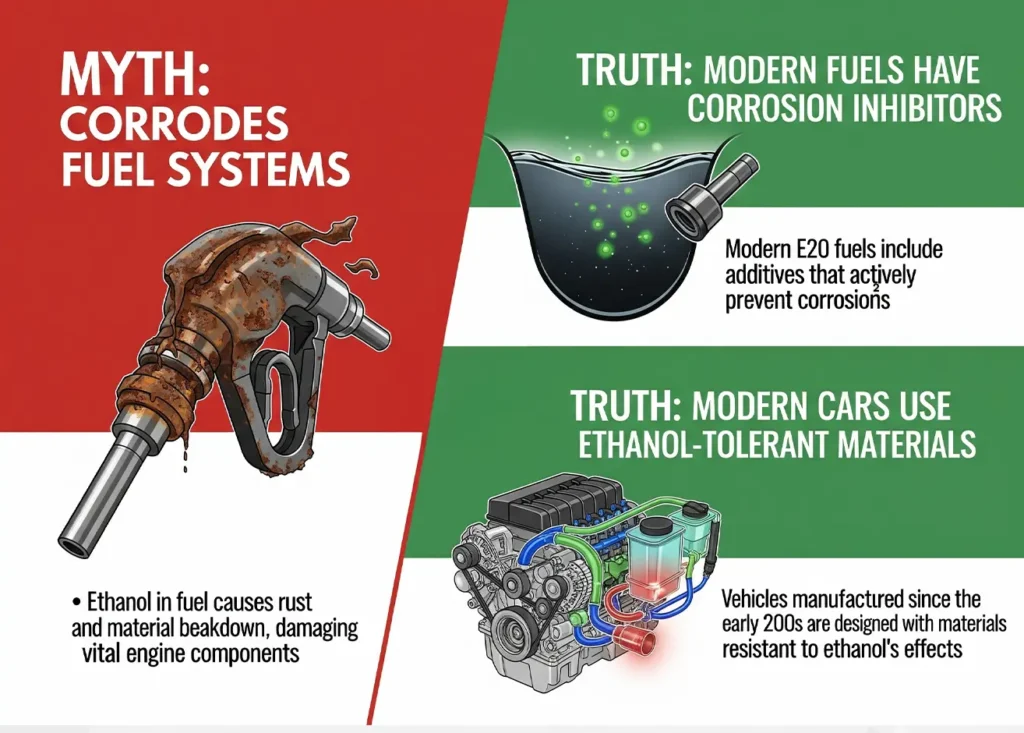
Take the engine damage claim. Some videos show leaks or breakdowns and point fingers at ethanol. Ethanol can be tougher on certain old rubber parts or seals if they’re not designed for it, that’s fair. But most cars and bikes made in the last several years are built to handle E20 just fine. The government points to tests by places like ARAI showing it’s safe when used right. Mileage might dip a bit – maybe 5-10% for some – because ethanol packs a little less punch per litre. That’s physics, not a conspiracy.
The water horror story is even wilder. One viral number thrown around says making one litre of ethanol uses 10,000 litres of water. Sounds terrible, right? The ministry clarifies that we’re mostly using surplus rice and sugarcane molasses that would otherwise sit around. Food needs come first, they stress – this isn’t about choosing fuel over people’s meals. On the fuel side, worries about water mixing in and causing rust? Ethanol does like to pull moisture from the air, but good fuel handling and modern tanks manage it. No sugar left in the final product to attract bugs, either – those ant videos are usually misleading or old.
Insurance? Not voided just because you filled up with E20 in a suitable vehicle. That’s another one they’re batting down.
So why all the fuss? Change is uncomfortable. People love their reliable old scooters and hate unexpected repair bills. Plus, in humid parts of India, any fuel can get tricky if left sitting. Farmers, on the other hand, are seeing real benefits from steady demand for their produce. And big picture, India saves a fortune on oil imports while slowly cleaning up emissions. Countries like Brazil have run on high-ethanol mixes for ages without the sky falling.
That doesn’t mean we should ignore real feedback. Some drivers do notice their cars running a tad less efficiently or needing more frequent attention. Older models weren’t all built with high ethanol in mind, so wear and tear can show up differently. The rollout happened pretty fast, and not every pump or vehicle transitioned perfectly. Opposition voices and everyday folks have called for more choice or slower pacing, which makes sense in a huge, diverse country like ours.
If filling up these days, here’s what feels like practical advice from folks living it: Stick to what your manufacturer recommends. Keep your tank reasonably full to limit condensation. For bikes that sit a lot, a fuel additive might help. And if something feels off – rough idling, lower power – don’t just blame E20; get it looked at by a trusted mechanic. Many issues have simple fixes.
At its heart, this is about balance. We want cheaper, cleaner energy and stronger rural economies without leaving regular people stuck with headaches. The ethanol push has already saved tens of thousands of crores in foreign exchange and given farmers a boost. But like any big change – think switching to LED bulbs or adopting new phone tech – it needs tweaking along the way.
The government’s message boils down to this: Take a breath, check reliable sources, and don’t let every alarming clip dictate how you feel about your daily drive. E20 isn’t perfect, but it’s part of moving toward energy independence in a smart way.
Driving in India is already an adventure. A bit of ethanol in the mix doesn’t have to make it scarier than it needs to be.
Sources:
- Times of India reporting on the latest government rebuttal
- NDTV and News18 coverage of the ministry’s 10-point clarification
- Economic Times and official Petroleum Ministry statements
- Broader context from ARAI studies, farmer impact reports, and driver experiences shared across platforms.
@Rohit Manral