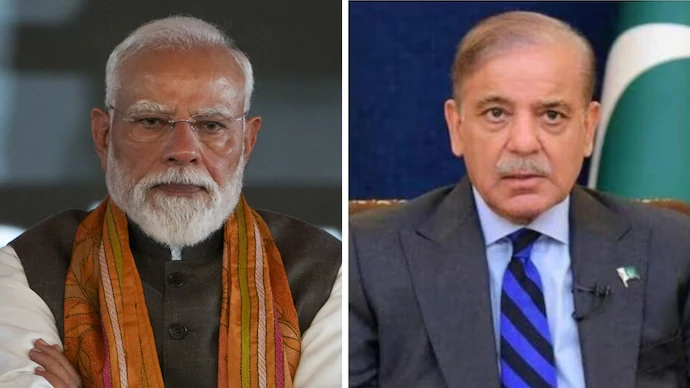
Over a hundred folks from India and Pakistan – 117 in total, 61 from our side and 56 from theirs – put their names on an open letter to Prime Minister Narendra Modi and Prime Minister Shehbaz Sharif. They’re asking, straight from the heart, for talks on Kashmir, an end to this endless hostility, and a chance to restart the simple human connections that make life feel normal again.
It’s not some dry political statement. It feels like your wise uncle or that thoughtful aunt who’s seen too much pain sitting you down and saying, look, our kids deserve better than this cycle of suspicion and missed chances. Coordinated by O.P. Shah from the Centre for Peace and Progress, the letter came out on July 1, 2026, right around a year after some tough times including Operation Sindoor. These signatories aren’t outsiders – they include people who’ve lived the reality of Kashmir, divided families, and lost opportunities.
From India: Farooq Abdullah and Mehbooba Mufti, both former chief ministers of Jammu and Kashmir, Mirwaiz Umar Farooq, Manoj Kumar Jha, A.S. Dulat who headed RAW, Mani Shankar Aiyar, and others like Rita Manchanda. From Pakistan: former Foreign Minister Khurshid Mahmud Kasuri, diplomat Ashraf Jehangir Qazi, Pervez Hoodbhoy the physicist, and more retired officials, artists, and civil society voices. When people like this speak together, it makes you listen.
They paint a picture that hits home. India and Pakistan together hold nearly one-fifth of the world’s people, most of them young. “The people of both countries deserve a future defined by peace, development, connectivity and cooperation, rather than perpetual mistrust and confrontation,” the letter says. All these years of staying apart have hurt us – economically, emotionally, in ways that affect daily life. Sustained dialogue is the only path that makes sense for a stable, prosperous region. It’s not fancy words; it’s what so many of us feel when we think about relatives we haven’t seen or opportunities that slipped away.
What do they actually want? Practical things that would change real lives. Bring back full diplomatic ties – put High Commissioners back in each other’s capitals. Make visas normal again so families can visit, students can study across the border, journalists can report freely, and artists can perform. Open the skies for planes, restart buses like Delhi-Lahore and Srinagar-Muzaffarabad, get the trains running, open the Attari-Wagah border properly for trade and travel. Even think about the Kargil-Skardu route. Keep religious places accessible – Kartarpur Sahib, Sharada Peeth – because faith and culture shouldn’t need battles to cross lines.
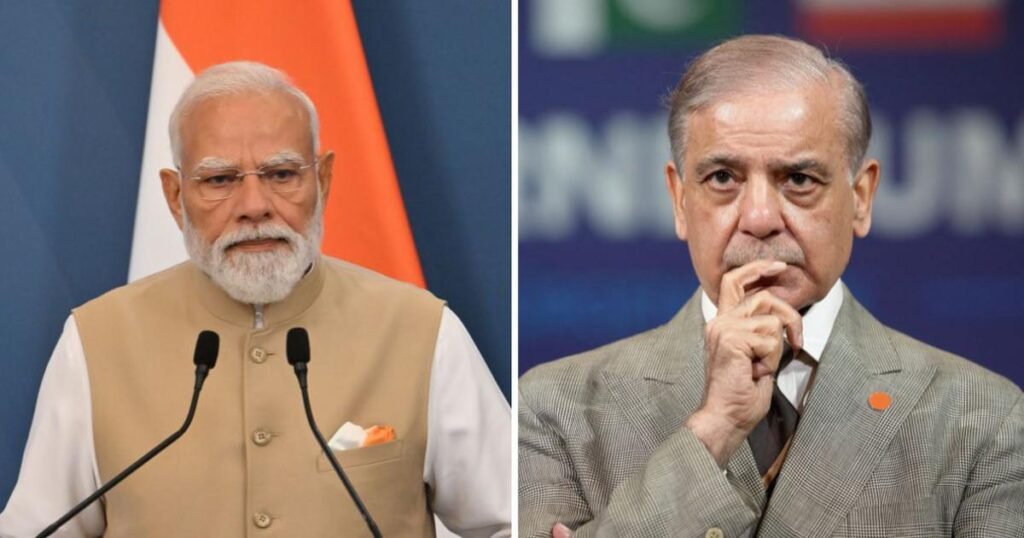
On Kashmir, they urge resuming comprehensive talks on all issues, including revisiting ideas from 2004-2007, steps toward de-escalation and demilitarisation, while honestly respecting security worries on both sides. Promote exchanges between students, business folks, academics – all the people-to-people stuff that builds trust slowly but surely. It’s not ignoring terrorism or threats; it’s saying let’s create conditions where we can address them without everyone suffering.
Mirwaiz said it simply: the people of J&K have suffered enough and deserve peace, closure, and dignity. That line stays with you, right? Because behind all the politics are mothers, fathers, kids, and elders just wanting normalcy.
Of course, not everyone agrees. Some leaders in India have pushed back hard, saying it sounds too much like one side’s narrative and that terror must stop completely before talks. India’s position has been clear for years – no talks amid terrorism. Pakistan has said it’s open to meaningful dialogue at times. This letter doesn’t pretend the problems disappear magically. It acknowledges the deep scars from wars, attacks, and mistrust. But it gently reminds us that shutting doors completely hasn’t fixed everything either. It’s a call from civil society when official paths feel blocked.
Think about it like this: how many times have you heard ordinary people on both sides say the same thing over chai? “Why can’t we trade fairly, watch movies together, cheer cricket without it turning ugly, or just let families meet?” This letter captures that quiet longing and puts it in front of the leaders. It says this appeal isn’t about endorsing any party or position – it’s about putting the welfare of two billion people above division.
In a region as rich as ours – with so much talent, history, and potential – imagine what even small steps could unlock. Easier travel means more stories shared, more businesses growing, more young people dreaming bigger than conflict. Kashmir could heal with genuine focus. Water issues, climate challenges, economic growth – all better handled together than apart.
Sure, governments have to balance security and national interests. No one is asking anyone to drop their guard foolishly. But keeping some doors open for dialogue, starting with people connections, feels like basic humanity. These 117 voices are keeping that flame alive. They’re saying choose engagement over isolation, dialogue over endless hostility, cooperation over confrontation. The future should be about shared progress, not old divisions.
Reading this makes me hopeful in a quiet way. It’s not naive – it’s realistic about the difficulties but stubborn about the possibility of something better. Next time you meet someone from the other side or hear a family story that crosses the border, remember this. Change often starts with conversations like this one – honest, human, and persistent.
Sources:
India Today, The New Indian Express, The Hindu – all from July 1, 2026 coverage of the joint appeal.
@Rohit Manral