
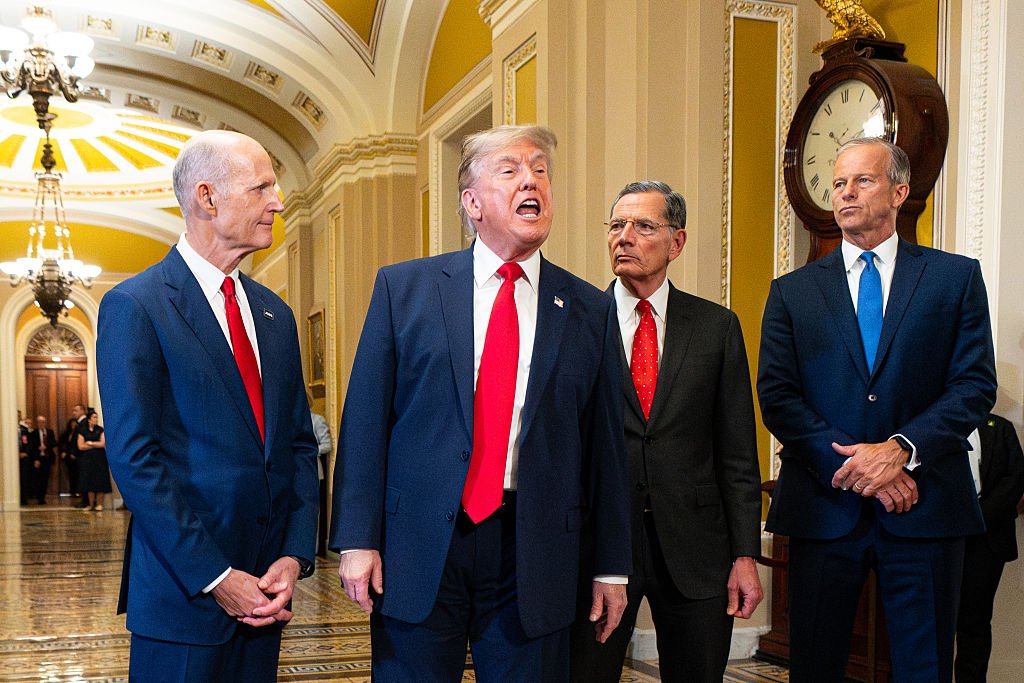
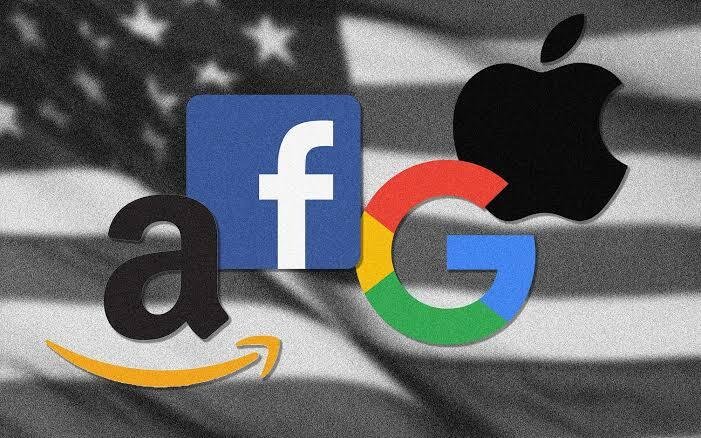
President Donald Trump just dropped a bombshell on Friday, June 26, that’s got everyone from Brussels to Washington buzzing. In classic Trump fashion, he took to social media and fired off a warning that’s as straightforward as it gets: any country slapping a digital services tax on American companies like Google, Meta, Amazon, or Apple is going to face a massive 100% tariff on everything they send our way. No kidding – cars, wine, cheese, machinery, you name it.
This isn’t some vague policy musing. Trump laid it out plain: “Numerous European Countries have been discussing the imminent implementation of a Digital Services Tax on American Companies. Some of these Countries are close to actually doing this. Please let this statement serve to represent that any Country that imposes such a Tax will immediately be met with a 100% TARIFF on any and all Goods sent to the United States of America.” He even added that this tariff would override any existing or upcoming trade deals. Talk about drawing a line in the sand.
Why Digital Services Taxes Get Under Trump’s Skin
So, what’s a digital services tax anyway? These are basically levies that countries put on the revenue big tech firms earn locally, even if the companies don’t have a big physical presence there. Think France, the UK, Italy, and others – they’ve been pushing these for years because they feel like U.S. giants are raking in billions from their markets without paying enough local taxes. A typical DST might be 2-3% on certain digital revenues. Sounds reasonable on paper if you’re a smaller economy trying to balance the books, right? But Trump and his team see it as straight-up discrimination – targeting American innovation to prop up their own economies or fund government spending.
This isn’t new beef. Back in his first term and through 2025, Trump and U.S. trade officials have pushed back hard against these taxes. There were Section 301 investigations, threats of retaliatory tariffs on French wine and other goods, and broader memos calling out “extortive” foreign taxes on U.S. companies. Fast forward to now, and with Trump back in the White House, he’s escalating. Just a day before this latest threat, EU countries had hustled to cut tariffs on U.S. goods to meet one of his deadlines. Now this? It’s like pouring gasoline on trade talks that were already tense.
From a practical standpoint, imagine the hit. European exports to the U.S. are huge – everything from German cars to Italian fashion and French luxury goods. A 100% tariff would make those products insanely expensive here, tanking demand overnight. American consumers might feel the pinch on prices, but the goal is clear: protect U.S. tech jobs, innovation, and stop what Trump calls unfair targeting.
Reactions Pouring In – Allies, Critics, and Markets
Europe’s not thrilled, as you can guess. Officials there have defended DSTs as fair ways to make sure multinationals pay their share in the digital age, especially since traditional corporate taxes often miss the mark for online giants. The EU has been working toward a unified approach, but individual countries keep floating their own versions. Trump’s move risks blowing up recent trade progress, including whatever deal was just inked to ease tariffs.
On the home front, American businesses in tech are probably breathing a sigh of relief, seeing this as strong-arm protection. Farmers, manufacturers, and exporters who rely on Europe? They’re likely sweating bullets, remembering how past tariff wars led to retaliatory hits on soybeans, whiskey, and more. Economists are already warning of higher costs, supply chain chaos, and potential inflation ripples. But Trump’s base loves the “America First” punch – no more letting foreign governments nickel-and-dime our biggest success stories.
This comes amid broader trade drama. Trump’s been using tariffs as his go-to tool – think Liberation Day tariffs or pressure on Canada, the UK, and others over similar issues earlier in 2025 and 2026. disruptive, sure, but his supporters argue it’s the only language some trading partners understand when it comes to rebalancing decades of lopsided deals
Zoom out, and this highlights a massive shift in how the world taxes the internet economy. The OECD tried for years to broker a global minimum tax and digital rules, but progress has been slow and patchy. Many countries got impatient and went unilateral with DSTs. Trump’s saying enough – the U.S. won’t stand by while its crown jewels get taxed abroad without pushback.
Critics call it protectionist bluster that could spark a wider trade war, hurting everyone including U.S. allies. Supporters say it’s overdue accountability. Either way, it’s vintage Trump: direct, unapologetic, and forcing the world to react. Markets will be watching closely next week for any signs of retaliation or negotiation.
Tech doesn’t respect borders like old-school manufacturing does. Countries want their cut; America wants to shield its innovators. Whether this leads to real concessions, dropped taxes, or escalated fights remains to be seen. But one thing’s clear – Trump’s not bluffing lightly.
Sources:
- Reuters (June 26, 2026)
- The New York Times (June 26, 2026)
- Associated Press (June 26, 2026)
- Wall Street Journal reporting
- White House and prior presidential memoranda on DSTs (2025 context)
@Rohit Manral