
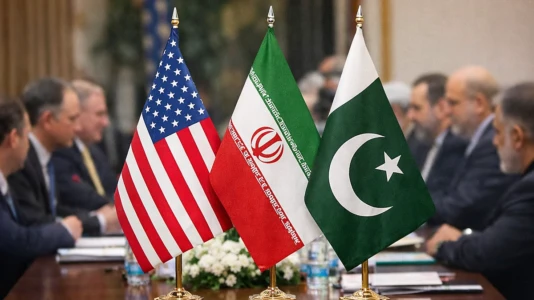
Pakistan and a few other countries are working overtime behind the scenes to make sure the ceasefire doesn’t fall apart and to push for another meeting soon.
A Fragile Ceasefire After Weeks of Tension
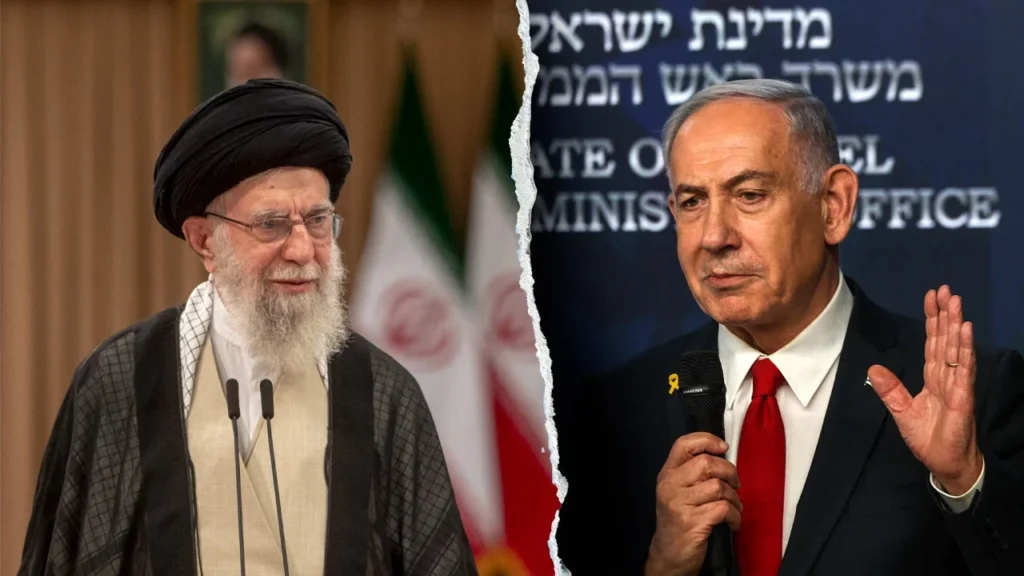
The US and Israel hit Iranian targets, Iran hit back, and for six weeks the world felt like it was holding its breath. Oil prices went highest, families lost people, and everyone was worried this could turn into something much bigger. Then, somehow, they agreed to a two-week ceasefire. A lot of quiet phone calls happened, and Pakistan ended up.
Why Pakistan Stepped In
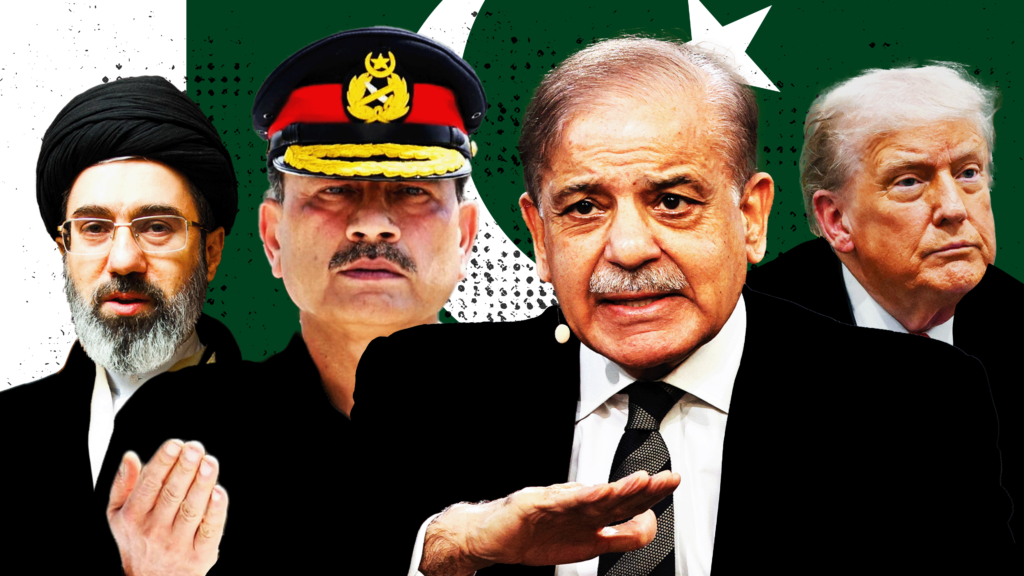
Why Pakistan? It’s not the obvious choice, right? But they’ve got connections with both countries that actually work. They talk to Washington regularly, and they share deep cultural and religious ties with Iran. So Prime Minister Shehbaz Sharif, the Foreign Minister, and especially Army Chief Asim Munir decided to step up.
First Round of Talks in Islamabad
Intense 20+ Hours of Negotiations
The first talks happened on April 11 and 12 right here in Islamabad. It was intense—more than 20 hours of meetings. The Americans came with Vice President JD Vance and some senior guys. The Iranians sent their Parliament Speaker and Foreign Minister. Pakistanis were in the room the whole time. They talked about the nuclear issue, the Strait of Hormuz, sanctions, prisoners—basically all the heavy stuff that’s been poisoning the relationship for years.
Key Demands from Both Sides
The US side wanted clearer commitments on Iran’s nuclear program. The Iranians wanted more trust, more sanctions relief, and guarantees they wouldn’t get hit again. So they left without signing anything. Still, the ceasefire is holding, and nobody slammed the door completely shut. Vance even thanked Pakistan on the way out, saying we did a good job hosting.
Ongoing Backchannel Diplomacy
Now, the last couple of days have been about quiet diplomacy again. I’m hearing that Pakistan’s Army Chief is in Tehran right now, carrying fresh ideas from the American side. President Trump said yesterday that another round “could be happening over the next two days” and that he likes keeping it in Pakistan. Qatar is publicly supporting the effort. Turkey, Egypt, and even some Europeans are quietly encouraging everyone to keep talking.
Rising Tensions Despite Talks
The US has already started tightening things around Iranian ports. Iran is warning they’ll respond if they feel squeezed too much. Oil markets are nervous. Hardliners on both sides are watching every move. One mistake, one leaked angry statement, and we could be right back where we were in March.
A Small But Real Hope
At the same time, there’s this small, stubborn hope that feels very human. Pakistan isn’t giving up. Our officials keep saying real progress was made even if it wasn’t visible. Back channels are still open. Trump himself has called the war “very close to being over.” Sometimes these things need two or three tries before people find the middle ground. Pakistan has done this kind of quiet mediation before in tough spots, so they’re not total beginners here.
What’s at Stake
Cheaper fuel, safer skies, fewer families losing sons and daughters. A real agreement could open the door to something better in the whole region. If it fails? More pain, more fear, more uncertainty for all of us.
Final Thoughts
That’s why the mediators are still pushing so hard. They know what’s at stake. No one is pretending it’s easy. Trust is broken after years of bad blood. But they’re still sitting at the table, still carrying messages, still believing another round can work.
Sources:
Al Jazeera, Reuters, Associated Press, Dawn (Pakistan), The New York Times, and official statements from Pakistani, US, and Iranian sides in April 2026 official reports.