
The Real Power of India’s Data
In Delhi, Mumbai, Bangalore, or that small town where the internet finally reached last year. The data from your Aadhaar, your health records, your UPI payments, and even the way you scroll on Instagram could be the real ticket to India’s superpower moment? Not some fancy rocket or cricket win, but something quieter and way more powerful: our massive pool of Indian data fueling homegrown AI, new companies, and actual jobs for our kids.
Rahul Gandhi Raises Alarm in Parliament
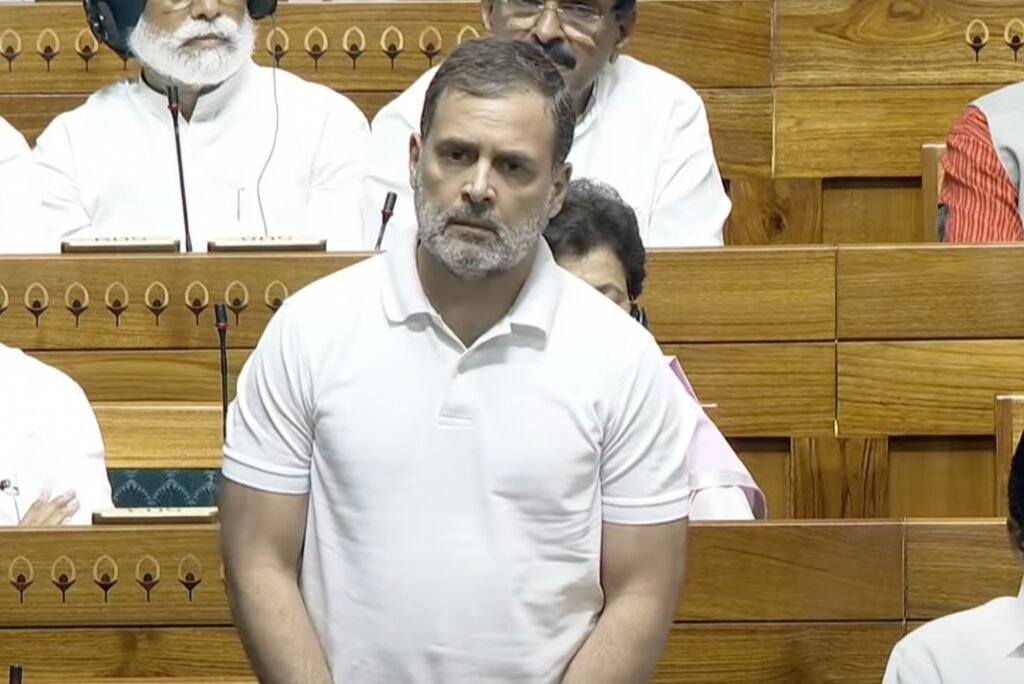
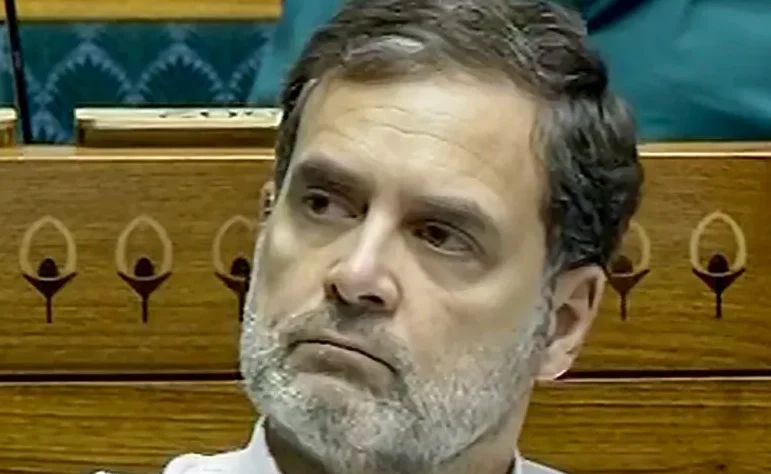
Rahul Gandhi just stood up in Parliament and mostly shouted that from the rooftops – and he’s banging the Centre for keeping all of us in the dark about it. On April 6, 2026, the Leader of adversary in the Lok Sabha didn’t mince words. India’s data, he said, belongs to its people. Full stop. And in this exploding AI economy, it could be one of our biggest strengths – to build our own AI models, grow Indian companies that actually compete globally, and create real jobs instead of just outsourcing gigs.
“We Are Being Kept in the Dark”
But here’s the part that stings: he says we’re being kept completely in the dark about how – or even if – that data is being protected. “We should be leading the global tech race,” Rahul posted on his WhatsApp channel, “but instead we are kept in the dark about how India’s data will be protected.” He called it straight: the government refuses to tell the country what it’s negotiating away in these big trade talks, especially with the United States.
Questions on India–US Trade Deal
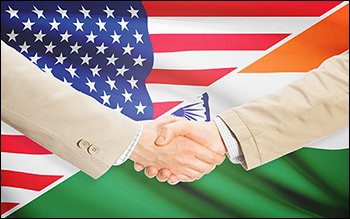
Rahul had fired off some sharp questions in the Lok Sabha just a few days earlier, on April 1. He’s talking about the recent India-US trade deal push – the one where they’re promising to “reduce barriers” to digital trade. Sounds harmless, right? But Rahul wants real answers: What exactly does that mean for our data? Will our health records, bank details, and government databases stay locked inside India? Can anyone still force foreign companies to store data here so we can actually use it to train our own AI systems?
“Big Words, No Real Answers”
He didn’t stop there. Every time he or anyone asks about data sovereignty, health data, local storage, or AI rules, he says the reply is the same fluffy stuff: “framework,” “balance,” “autonomy.” Big impressive words, zero actual specifics. “The government refuses to tell the country what it is negotiating away,” he said. We deserve transparency and accountability. “We deserve to own and use our data to build a better future.”
Data: The New Oil of the AI Era
Data isn’t just numbers on a server anymore – it’s the new oil, the new currency. India has 1.4 billion people generating insane amounts of real-world data every second: what we buy, how we travel, our languages, our cultures, our problems. In the AI world, whoever controls that data gets to build the smartest tools first. China and the US are already fighting over it. Rahul’s point is simple – why should India hand over the keys and watch foreign giants build their empires on our backs while we play catch-up?
Earlier Warnings on AI and Data Control
He’s not making this up in a vacuum. Back in February, he was already warning in Lok Sabha that India’s future in AI literally depends on who controls our data. Hand it over in trade deals, and risk of losing the chance to create our own AI champions, our own tech jobs, our own digital independence.
Government’s Response and Defense
Of course, the government has its side too – and you should hear that fairly. In a written reply to Rahul’s questions, Minister of State for Electronics and IT Jitin Prasada pointed out that India’s IT sector is already a beast: over $280 billion in revenue, $225 billion in exports last fiscal year, and more than 60 lakh people employed. Digital trade matters, he said. India has signed free trade agreements with the UAE, UK, and EU that include digital chapters, and they claim they’ve protected our interests while opening markets. For the ongoing India-US Bilateral Trade Agreement, they say there’s an interim framework that keeps our regulatory autonomy intact. No deal will stop India from managing its own data under our laws, they insist.
The Real Issue: Transparency
Fair enough – trade helps growth, and India’s been smart about balancing openness with rules before. But Rahul’s frustration is that “balance” and “autonomy” are just words until we see the actual fine print. No one is explaining to ordinary Indians what this means for our privacy, our security, or our shot at leading in AI.
Why This Matters to Every Indian
This isn’t some abstract policy fight in air-conditioned Parliament halls. This touches every single one of us. Your kid’s school records, your parents’ medical history, the small business you run using digital payments – all of it could shape whether India becomes an AI powerhouse or just a giant data farm for someone else’s algorithms. In a world racing toward artificial intelligence, data sovereignty isn’t a fancy term; it’s about who writes the future.
Final Takeaway
Rahul Gandhi’s communication is loud and understandable: India’s data belongs to Indians. Demand the details. Push for transparency. Because if we get this right, we don’t just catch the AI wave – we ride it all the way to the top, creating jobs, companies, and a genuinely stronger India.
Sources
- The Hindu, April 6, 2026: “India kept in dark: Rahul Gandhi slams government on data sovereignty” (PTI)
- The New Indian Express, April 6, 2026: “Rahul Gandhi questions Govt on data sovereignty, seeks clarity on US trade talks”
- Rahul Gandhi’s official WhatsApp channel statement
- Lok Sabha records and Minister Jitin Prasada’s written reply