

US–Israel Alliance Shows First Crack
The US and Israel are supposed to be this unbreakable tag-team in their push against Iran, right? They’ve been bombing together since late February, taking out big targets, trying to kneecap the regime. But then Israel goes and lights up like 30 cracking fuel depots around Tehran over the weekend, and suddenly Washington’s like, that’s the vibe.
Israel told the US military ahead of time—standard ally courtesy—but what actually went down was way bigger than anyone in DC thought it would be.
Massive Fireballs and Smoke Over Tehran
Massive fireballs lighting up the night sky, thick black smoke choking around the city, streets turning efficient with burning oil, even reports of toxic “black rain” falling on people.
Four folks dead right away, fires burning for hours, apocalyptic scenes straight out of a disaster movie.

US Officials React: “WTF”
And the US? They’re pissed. Not just mildly annoyed—sources are quoting straight-up “WTF” messages flying between officials.
One senior US guy flat-out said:
“We don’t think it was a good idea.”
A Trump adviser basically summed it up: the president “doesn’t like the attack. He wants to save the oil. He doesn’t want to burn it. And it reminds people of higher gas prices.”

How the Conflict Escalated Since February 28
This is the first real crack we’ve seen in the alliance since this mess kicked off on February 28.
Remember how it started?
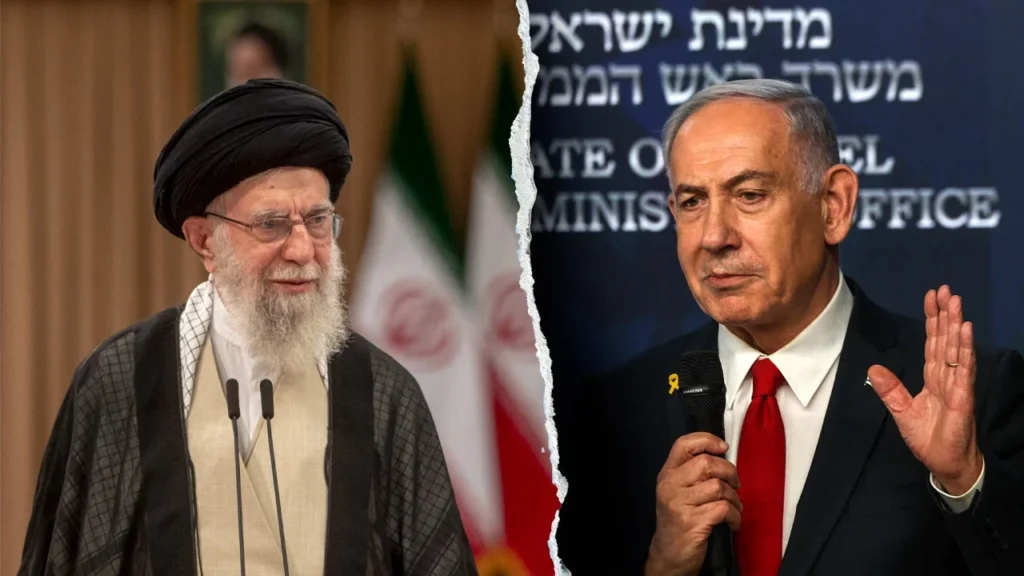
US and Israel launched these huge coordinated strikes—Operation Epic Fury or whatever they called it—taking out Khamenei, top generals, nuclear sites, missile stuff.
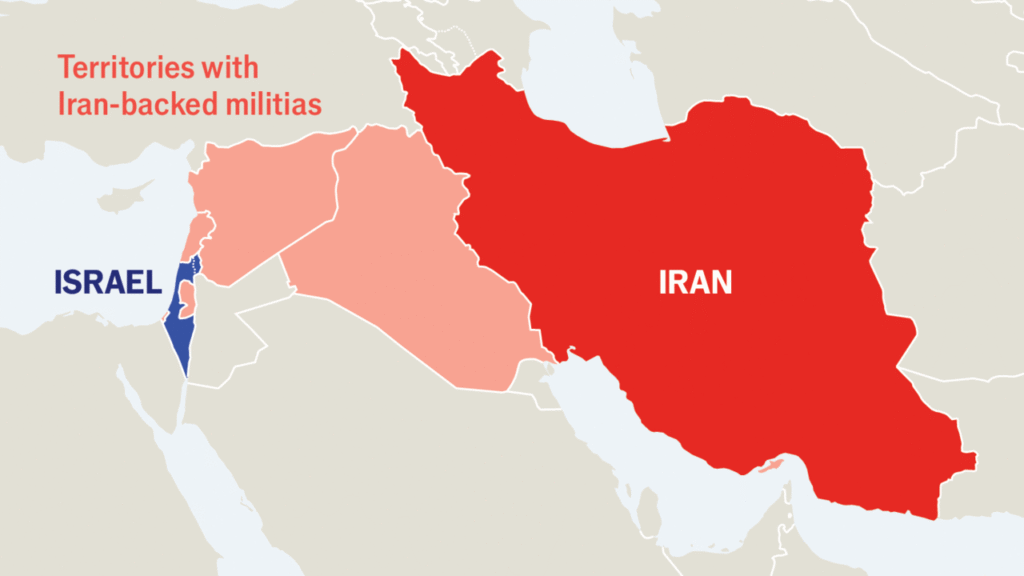
Iran fired back missiles everywhere, hitting US bases, Israel, even some Gulf spots.
War Expands Across the Region
It’s been nonstop for over a week now:
- Civilian deaths piling up (over a thousand reported on the Iranian side)
- A new supreme leader stepping in (Khamenei’s son, apparently)
- Hezbollah getting dragged in from Lebanon
Oil markets are already jittery—Brent crude spiking hard, stocks dipping because everyone’s scared of supply chaos.
US worries it’s counterproductive—makes winning the war harder, not easier.
Israel’s Justification for the Oil Depot Strikes
Israel’s line is straightforward: these depots fuel the military, IRGC ops, missile launches.
Legit targets to degrade Iran’s ability to keep fighting.
But the scale? Hitting 30 depots?
That caught the US off guard.
It’s like Israel said, “Yeah, we’re doing this,” but then went full throttle while Washington was expecting something more measured.

Trump’s Political Concerns: Oil Prices and Voters
Trump doesn’t want voters seeing $5 gas at the pump and censuring him for getting tangled in another endless Middle East mess.
Politics is politics, even in wartime.
Environmental and Human Impact in Tehran
The fallout’s already real.
Tehran blanketed in smoke, people dealing with poisoned air, potential environmental nightmare from all that burning crude.
Families losing homes, kids scared, soldiers on all sides dying.
This isn’t clean strategy anymore; it’s getting very much uglier by the day.
Global Oil Market on Edge
Global oil prices are climbing fast.
Some spots predicting well over $100 a barrel if this drags on.
And if Iran decides to mess with the Strait of Hormuz more aggressively?
Forget it—the world economy feels that pain quick.
US vs Israel: Strategy Clash
Alliances bend under pressure, especially when one side starts freelancing on targets.
US wants to keep it surgical—hit military stuff, avoid things that unite Iranians or spike prices at home.
Israel?
They’re fighting for survival in their eyes, so they’re hitting hard and wide.
That mismatch just boiled over publicly for the first time.
Expect some tense calls between Trump and Netanyahu soon to hash this out.
Sources:
- India Today
- Yahoo News
- NPR
- CNN
- Britannica
- Al Jazeera