
What Happened at the United Nations?
What happened at the United Nations yesterday is actually pretty worrying because it can directly affect the price of fuel in our tanks and the cost of everything we buy.
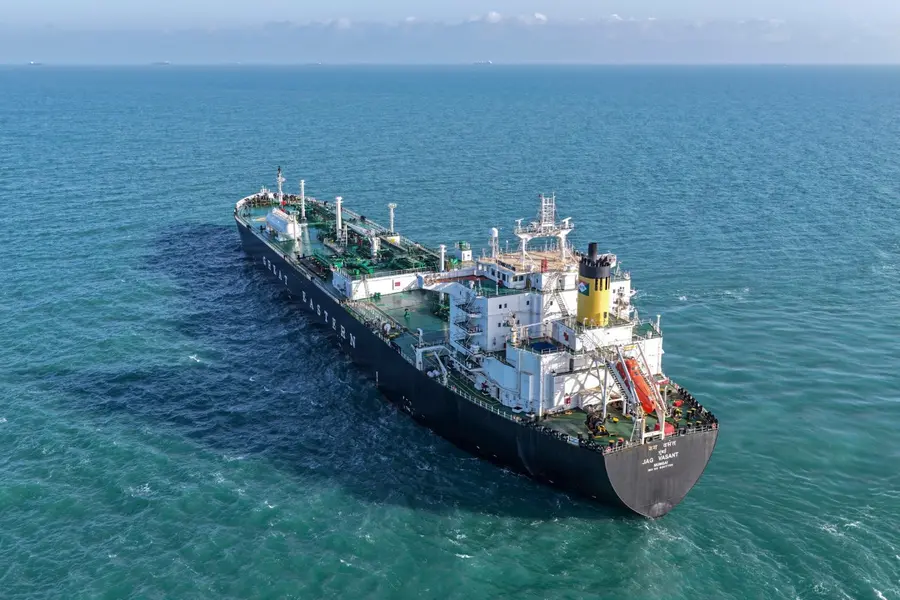
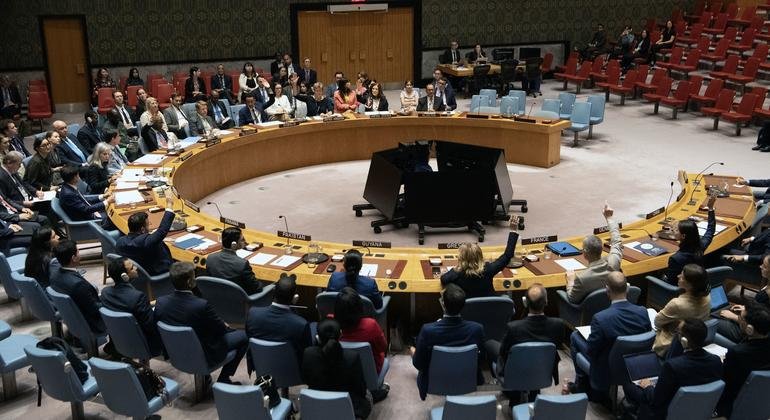
On April 7, in the UN Security Council in New York, China and Russia used their veto power to kill a resolution that was trying to protect commercial ships passing through the Strait of Hormuz. That narrow stretch of water is incredibly important — nearly 20% of the world’s entire oil supply flows through it every single day. If anything blocks or threatens it, fuel prices shoot up everywhere, and we all feel the pinch.
What Was the Resolution About?
The resolution was suggested by Bahrain and completely supported by the United States and Gulf countries. They kept softening the language to make it acceptable — no talk of attacks or military force, just a call for countries to work together, coordinate protection for merchant ships, keep the waterway open, and prevent interference. It was basically defensive and practical. Still, China and Russia said no.
Voting Results and Immediate Reaction
The vote was 11 in favour, 2 against (China and Russia), and 2 abstaining. Because they are permanent members and their veto was enough to kill the entire thing. Bahrain’s Foreign Minister stood up right after and formally declared that the draft was not adopted.
Why Did China and Russia Veto?
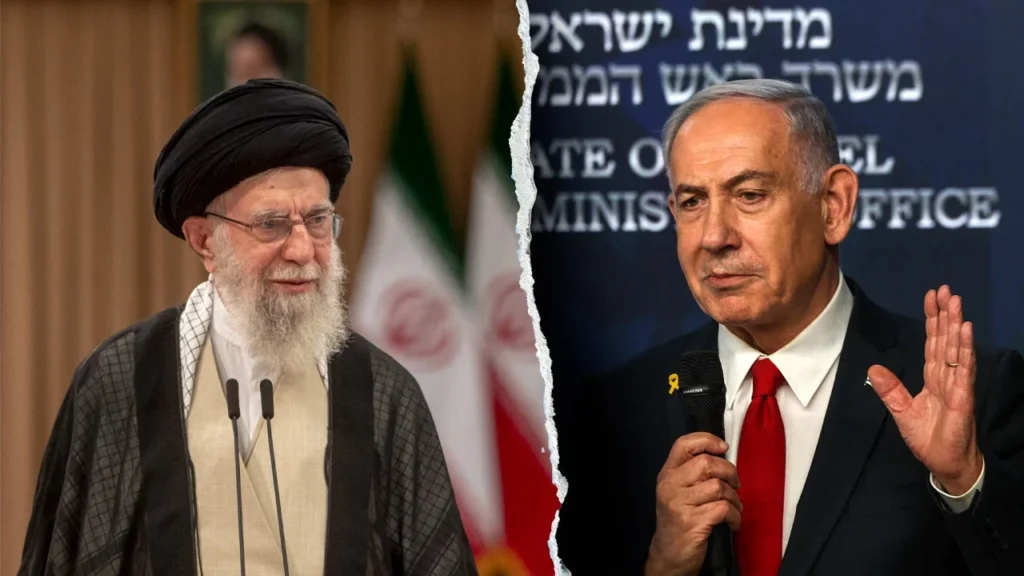
They argued the resolution was biased opposed Iran. There’s a lot of tension right now in that area — some ships have been attacked or harassed, and everyone is nervous that the strait could be disrupted. The US has been pushing hard for safety measures, especially with a deadline from President Trump hanging over Iran. After the veto, the American ambassador basically said, “Fine, responsible countries will team up with us anyway, even outside the UN.”
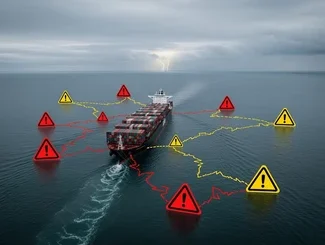
What This Means for Petrol Prices
This means more uncertainty. Oil inventories could get snug, petrol and diesel prices might climb, and the cost of transport, groceries, and daily goods could derive. The Gulf countries are dissatisfied because their economies depend on safe passage through that strait. Iran sees any outside coordination as a threat.
What Happens Next?
This veto comes at a tense time. Countries will now probably handle things on their own — sending more naval patrols, doing quiet diplomacy, or whatever they can. But the fact that even a mild, common-sense resolution couldn’t pass shows how divided the big powers still are.
A Growing Global Concern
It’s aboveboard a bit aggravating, isn’t it? We ordinary folks just want stability — full tanks, reasonable prices, and no sudden shocks to our monthly budget. But big-authority politics keeps making simple safety issues complex. Will the US and its partners create some other arrangement regarding this? Will tensions cool down or get worse? For now, the Strait of Hormuz persist a dangerous flashpoint, and the veto has left everything hanging in the air.
Sources:
Reuters, AP News, Al-Monitor, Straits Times, and UN official records from reports.